Sewage Ejector Pumps: How They Work and How to Maintain One
What does a sewage ejector pump do, and how do I keep one working?
Short answer
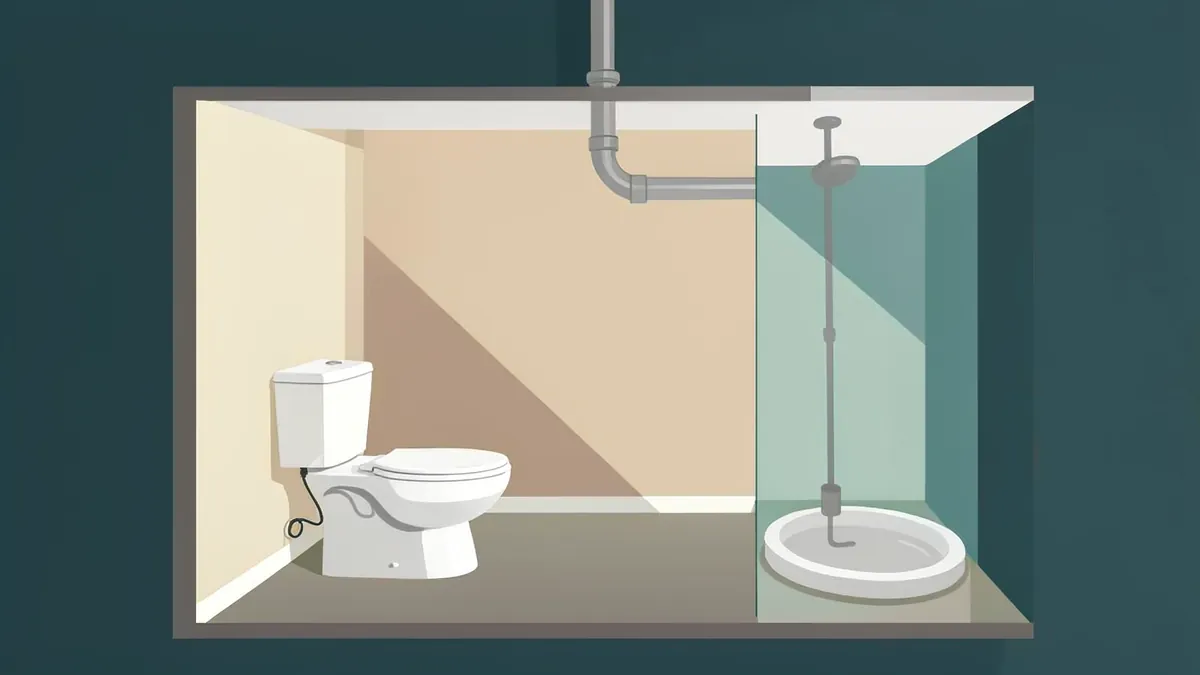
A sewage ejector is a pump in a sealed, vented basin that lifts wastewater from fixtures too low to drain to the sewer by gravity, a setup the plumbing code covers in Section 712. Most trouble comes from float switches, check valves, power loss or things that should never have been flushed, so test it every few months, keep wipes out, and know which fixtures to stop using when the power goes out.
On this page
A basement bathroom, laundry or bar sink often sits lower than the sewer pipe it has to reach. Wastewater won't run uphill, so those fixtures drain into a sealed tank, usually set into the floor, and a pump pushes the sewage up into the house's gravity drain lines. That pump is the sewage ejector, and when it stops working, every fixture that depends on it stops too.
This guide covers when a home needs one, how it differs from other household pumps, what usually fails, and how to keep it working, including through a power outage.
When a basement bathroom needs an ejector
The International Plumbing Code (IPC) calls the part of a drainage system that can't flow by gravity into the building sewer a building subdrain (IPC definitions). Section 712.1 says those drains must empty into a tightly covered and vented sump, and automatic pumping equipment then lifts the contents into the building's gravity drainage system. In anything other than an existing building, fixtures that can drain by gravity must not be piped into that sump, so in newer work only the low fixtures should depend on the pump (IPC Section 712).
Georgia has adopted the 2024 IPC with state amendments, and those amendments leave Section 712 as written. They also delete the code's administrative chapter and leave those procedures to local governments (Georgia DCA), so ask your city or county building department about permits before an ejector is added or replaced. Section 712 reads the same in the 2018, 2021 and 2024 editions, so the rules below hold whichever edition your building department enforces.
A backwater valve solves a different problem. It keeps sewage from a backed-up public sewer from flowing into fixtures on a floor below the next upstream manhole cover (IPC Section 714), while an ejector handles drains that can't reach the sewer by gravity at all. Backwater valves explained covers that rule.
How the system works
Section 712 sets the basics (IPC Section 712):
- The basin. At least 18 inches across and 24 inches deep unless otherwise approved, with a solid bottom, a gastight removable cover, and a vent that meets the code's venting chapter.
- The pump. It has to empty the sump automatically, and a pump that receives toilet waste must be able to pass solids up to 2 inches across.
- The valves. The discharge pipe needs a check valve, with a full-open valve on its downstream side. Both must be accessible, above the basin cover or in an access pit if the discharge pipe runs below grade.
The Sump & Sewage Pump Manufacturers Association (SSPMA) explains the roles: the check valve stops sewage from flowing back into the basin after each pumping cycle, and the shutoff valve lets a plumber clean the check valve or remove the pump (SSPMA).
Section 712 doesn't mention alarms, but SSPMA suggests one to warn of high water caused by a control, pump or system failure. It recommends powering the alarm from a separate circuit, so a problem on the pump's circuit doesn't silence it, and setting it to sound between the pump's turn-on level and the bottom of the inlet pipe.
Ejector, sump pump, grinder pump or upflush toilet?
| Equipment | What it handles | What to know |
|---|---|---|
| Sewage ejector | Toilet and fixture waste that can't drain by gravity | Sealed, vented basin; check valve and full-open valve on the discharge |
| Sump pump | Groundwater and other drainage, not raw sewage | The IPC definition excludes raw sewage |
| Grinder pump | A home's wastewater, pumped through a small pipe | Used where gravity sewer can't serve a property |
| Macerating (upflush) toilet | One toilet plus up to two other fixtures | A toilet with its own small sump and grinding pump |
The IPC defines a sump pump as one that removes drainage "except raw sewage" (IPC definitions), so it is no substitute for an ejector. Whether a sump pump may discharge into the sewer at all is a separate question, covered in storm drain vs. sanitary sewer.
Augusta Utilities describes a grinder pump as a pump with a small pipe to the sewer, installed outside the home. It is needed when gravity sewers can't serve a property, often because of topography, and when a low-pressure sewer system is built instead of a gravity one (Augusta Utilities). A macerating toilet system must meet its own product standard and be installed according to the maker's instructions (Section 712.4.1).
What fails, and the warning signs
SSPMA's troubleshooting chart lists the usual causes behind each symptom (SSPMA):
| What you notice | Common causes |
|---|---|
| Alarm sounds or pump won't run | Tripped breaker, blown fuse or other power loss; a float that can't move; a failed switch or motor |
| Pump won't shut off | A stuck float or failed switch; more inflow than the pump can handle |
| Pump runs or hums but doesn't pump | Restricted discharge; check valve stuck shut or installed backwards; shutoff valve closed; jammed impeller or plugged inlet; trapped air |
| Pump cycles when nobody is using water | Missing or leaking check valve; a leaking fixture |
| Sewer gas smell | Plugged or incorrect vent; failed gaskets or seals |
Float switches tell the pump when to start and stop. Zoeller's installation instructions warn that debris or buildup can keep a float from reaching its on or off position, and that a tethered float must not hang up on the pump or the pit (Zoeller).
Maintenance and power-outage checklist
- Test it every three months. Zoeller says to inspect and test the system for proper operation at least that often. Run water in a fixture that drains to the basin and listen for the pump to start and then shut off. If the alarm has a test switch, try it too.
- Flush only toilet paper and human waste. Zoeller's instructions say the system isn't designed for anything else and name feminine products, condoms, cotton balls and swabs, baby wipes and paper towels. Augusta's list for grinder pumps adds grease, cat litter, diapers, cloth, plastic, seafood shells and harsh chemicals. What not to flush or pour explains where those items should go instead.
- Keep the lid sealed and the valves reachable. The code requires a gastight cover and accessible valves, and Zoeller notes that gas-tight seals are what contain the gases and odors. Don't stack storage on the basin or wall in the valves.
- Plug the pump straight into its outlet. SSPMA and Zoeller both say never to use an extension cord. SSPMA calls for a separately protected, grounded circuit and suggests a ground-fault circuit interrupter for added protection.
- Fix running toilets and dripping faucets on the fixtures that drain to the basin, since a leaking fixture keeps the pump cycling.
- Plan for outages. Augusta's grinder pump advice fits an ejector too: the pump won't run without power, the tank has some storage, and because nobody can predict how long an outage will last, conserve water (Augusta Utilities). In practice, stop using the fixtures that drain to the basin until power returns. If a failure would cause real damage, ask a plumber about the two-pump system with an alarm that Zoeller suggests for that case, and have an electrician handle any generator connection.
Who services it
An ejector inside your house is part of your own plumbing. Cobb County's code, for example, says devices that move sewage from a building into the county system are the owner's responsibility and won't be repaired or maintained by the county (Cobb County Code § 122-153). Grinder pumps vary more. Augusta Utilities says most are on private property and are the owner's responsibility, electricity included, while the City of Dallas, Georgia, lists repair and maintenance of city-owned grinder pumps among its Sewer Department's duties (Dallas). Find your provider in the metro Atlanta directory, or ask your utility directly.
For the work itself, call a licensed plumber; how to hire a drain cleaning company in Georgia explains how to check a license. Zoeller adds that the pump must be disconnected from power before anyone handles it, and that its electrical circuits should be installed and serviced only by a qualified, licensed electrician. Leave opening the basin to professionals; it is sealed to hold in sewage and sewer gas. If sewage has already come up, follow what to do during a sewer backup.
Next step
Find your ejector basin, note which fixtures drain into it, and test it the next time you're in the basement. If the pump runs nonstop, cycles when nothing is draining, hums without pumping, smells of sewer gas or sets off its alarm, stop using those fixtures and call a licensed plumber. This guide is general information, not plumbing, electrical or legal advice; a licensed plumber, your sewer provider and your local building department can tell you what applies to your home.
Sources
- International Code Council: 2024 International Plumbing Code, Chapter 7: Sanitary Drainage (Section 712, Sumps and Ejectors)
- International Code Council: 2024 International Plumbing Code, Chapter 2: Definitions
- Georgia Department of Community Affairs: Georgia State Amendments to the International Plumbing Code (2024 Edition)
- Sump & Sewage Pump Manufacturers Association: Recommended Installation & Maintenance for New or Replacement Sewage Pumps
- Zoeller Pump Company: Installation Instructions: 912/915 Preassembled Sewage Systems (FM3291)
- Augusta Utilities Department (Augusta, Georgia): Grinder Pump - Frequently Asked Questions
- Cobb County, Georgia (via Municode): Code of Ordinances, Sec. 122-153. Wastewater system
- City of Dallas, Georgia: Sewer Department Responsibilities
Guides that pick up where this one stops.
Backwater Valves Explained: When Georgia Homes Need One
What a backwater valve does, when Georgia's plumbing code requires one for low fixtures, the main valve types, and how to keep one working.

What Not to Flush or Pour Down the Drain
A prevention checklist for Georgia homes: what stays out of toilets and sinks, and how to get rid of grease, wipes, medicines and chemicals instead.
Sewer Backup in Your House: What to Do, Step by Step
What to do when sewage backs up into a Georgia home: the first steps, who to call, how to clean up safely, and when to hire a professional cleanup crew.