Sewer Line Warranty Plans in Georgia: What to Check First
Is a sewer line warranty or protection plan worth buying, and how can I tell whether an offer in the mail is legitimate?

Short answer
These plans are optional repair contracts from private companies, sometimes marketed under a license to use a city's name. The plan terms checked for this guide pay for certain repairs to the outside sewer line up to a per-occurrence limit after a 30-day wait, and exclude pre-existing problems and damage inside the home. Compare any plan with your sewer provider's responsibility rule and your homeowners policy, and confirm a mailer with your utility before you pay.
On this page
A letter arrives with a city seal or a utility's name on it. It reminds you that you own the sewer line under your yard and offers to protect it for a monthly fee. The offer may be part of a program your city signed up for, or it may come from a company your city has never dealt with. Either way, the plan is a contract with a private company, and what it pays for is written in that contract, not in the letter.
This guide explains what these plans are, what their terms cover and leave out, how they differ from homeowners insurance, and how to check an offer before you pay. It doesn't recommend or rank any company or plan.
What a service line plan is
It's a repair contract with a private company. The terms of one sewer line plan sold in Georgia, as posted in October 2026, call the agreement "not an insurance contract" and say the company's obligations are backed by its own full faith and credit. Its Georgia section names a surety company you may claim against if the company doesn't perform a covered repair, or pay a refund it owes, within 60 days. The same terms say that if you pay the plan fee on your utility bill, not paying it won't affect your utility service.
Georgia's insurance code, O.C.G.A. § 33-7-6, treats many repair contracts for homes and products as property insurance unless a licensed insurer underwrites them or, in specified cases, a surety bond approved by the state Insurance Commissioner guarantees them.
Cities get involved through marketing agreements. Savannah's website describes a partnership with a private warranty company that offers optional plans for the exterior water line, the exterior sewer or septic line, and interior plumbing. A draft marketing agreement attached to a September 2020 Savannah City Council workshop agenda shows how such deals can work: the city would license its name and logo for letters, bills and marketing, could share property owners' names and addresses, and would receive a monthly fee for each plan in force plus a separate brand fee. A city logo on the letter means the city agreed to the marketing; the repair promises come from the company named in the contract.
Not every city takes part. Atlanta's 311 service says the city doesn't offer water or sewer service line warranties.
What the terms cover, and what they leave out
Coverage varies, so use the Georgia plan above as a map of what to look for. Its terms, checked in October 2026, say:
| Feature | What the terms say | What to check in your offer |
|---|---|---|
| Covered pipe | The lateral from the home's exterior wall to the utility's main or the septic tank | Whether coverage reaches the main |
| Covered event | A clog or blockage from normal wear and usage after coverage starts; a leak or break with no clog isn't covered | Whether breaks, leaks and sags count |
| Limits | $12,500 per occurrence for the line and yard restoration, plus a separate $12,500 for permit-required public sidewalk or road work; you pay any excess | Per-occurrence and yearly caps |
| Start date | 30 days after enrollment | The waiting period |
| Exclusions | Pre-existing conditions (in Georgia, ones you knew about); bellied or back-pitched lines from poor design or installation; pulling a toilet for access; pipe inside the home; septic tanks; cleanouts and backflow devices | Whether a problem you already know about is excluded |
| Your own plumber | Not paid unless the company authorizes the work first | Who chooses the contractor |
A few other terms matter. The company's contractor first tries to clear the blockage, and if the line clears, no other repair is made. The agreement renews automatically at the then-current rates if you pay by recurring charge, and the company may change the terms after written notice. The Federal Trade Commission's advice on service contracts puts it simply: if something isn't listed in the contract, assume it isn't covered.
Compare it with your responsibilities and your insurance
A plan only helps with pipe you would otherwise have to fix. Georgia sewer providers draw that line differently: some maintain the section of lateral in the public right-of-way, while others leave the whole line to the owner. Check your provider's rule in who is responsible for the sewer line in Georgia or the metro Atlanta sewer directory.
Then check where the plan stops. Savannah, for example, makes owners responsible for the lateral all the way to the main (see the guide above). The city's program page describes the sewer plan as covering the line from the home's exterior wall to the property boundary, while the 2020 draft term sheet described its scope as running from the exterior wall to the main. Only the contract you're offered settles it.
A plan also isn't backup coverage. The terms above exclude repairing, replacing or cleaning any part of your home or belongings damaged by the clog, and costs such as relocation, apart from a limited hotel and pet-boarding allowance. For damage inside the house, look to your homeowners policy and whether it has a water backup endorsement; see does insurance cover a sewer backup in Georgia. Ask your insurer about the line itself, too: Gwinnett County's water department suggests homeowners consider adding an upper lateral rider to their homeowners policy.
If you're buying a home, a sewer scope before closing shows the line's condition before any waiting period or pre-existing-condition clause comes into play.
Georgia cancellation and refund rules
For the repair contracts it regulates, § 33-7-6 sets minimum consumer terms:
- The contract must clearly name the insurer or surety that backs it, with its address.
- You can cancel within 20 days after the contract is mailed to you, or 10 days after delivery if you received it at the time of sale, for a full refund minus any claims paid. A 10 percent penalty per month is added to a refund not paid within 45 days.
- After that period, you're owed the unearned share of what you paid, less claims paid; the company may keep an administrative fee of no more than 10 percent of that amount.
- The company can cancel only for fraud, material misrepresentation or nonpayment, with at least 30 days' written notice.
- If the company doesn't pay a claim or a refund within 60 days after proof of loss, you can make a claim directly against the insurer.
The Georgia section of the plan terms above follows these rules and makes the plan's arbitration clause non-binding for Georgia residents. Whether a particular plan falls under § 33-7-6 is a question for a Georgia attorney.
How to check a mailer before you pay
- Call your utility or city yourself, using the number on your bill or its official website, not the one in the letter, and ask whether it has an agreement with the company.
- Find the company's name in the fine print. The contract, not the letterhead, tells you who owes you repairs and which insurer or surety backs them.
- Treat it as a sales offer. Georgia's Consumer Protection Division warns about solicitations designed to look like bills, which may carry a statement that the mailing is a solicitation, not a bill.
- Research the company. The FTC suggests searching the company's name with words like "review" or "complaint" and checking with your state consumer protection office.
- Report problems. The FTC asks people to report service-contract problems to it at ReportFraud.ftc.gov and to their state attorney general; in Georgia, that's the Attorney General's Consumer Protection Division.
Questions to ask before you enroll
- Where exactly does coverage start and stop, and does that match my provider's rule?
- Which failures are covered: clogs only, or breaks, leaks and sags too?
- What are the per-occurrence and yearly limits, and is street work a separate limit?
- How long is the waiting period, and how does the contract define a pre-existing condition?
- Can I use my own licensed plumber, or must I call the company first?
- Which insurer or surety backs the contract?
- How do renewals, price changes and cancellations work?
- Does my home qualify? The plan above covers only an owned, occupied home with one dwelling unit whose owner is responsible for the sewer line.
The FTC also notes that setting money aside in a savings account can be a better option than buying a service contract.
Bottom line
A sewer line plan is a limited repair contract: it doesn't pay for backup damage inside your home, and a city's name on the offer doesn't make it a city service. Before you sign, put the contract next to your provider's responsibility rule and your homeowners policy. This is general information, not financial or legal advice; your sewer provider, your insurance agent or a Georgia attorney can advise on your situation.
Sources
- Oncourse Home Solutions: Sewer Line Protection Program Terms and Conditions (OHS Gas South SLPP 202E0012)
- FindLaw: Georgia Code Title 33. Insurance § 33-7-6
- City of Savannah: Service Line Warranty Program
- City of Savannah: September 24, 2020 City Council Workshop: National League of Cities Service Line Warranty Program (with draft marketing agreement)
- City of Atlanta ATL311: Water or Sewer Service Line Warranties
- Gwinnett County Department of Water Resources: Sewer Lateral
- Georgia Attorney General's Consumer Protection Division: Phony Bills
- Federal Trade Commission: Extended Warranties and Service Contracts
Guides that pick up where this one stops.

Does Insurance Cover a Sewer Backup in Georgia?
Why homeowners policies usually exclude sewer backup, what a water backup endorsement adds, when flood insurance pays, and Georgia's claim deadlines.
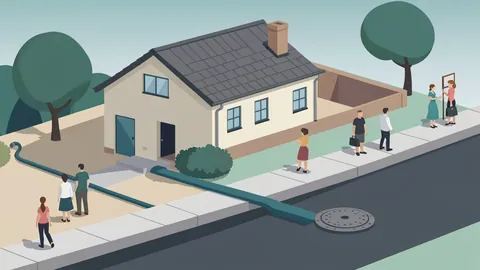
Who Is Responsible for Your Sewer Line in Georgia?
How Georgia sewer providers split the line between homeowner and utility, with a provider-by-provider table and steps to confirm the rule for your address.
What Drives Drain Cleaning Costs (and How to Compare Quotes)
Why drain cleaning quotes differ: flat-rate vs. hourly billing, access, method, camera work, permits and guarantees, plus a checklist for comparing quotes.