Signs of a Broken Sewer Line: Inside, Outside and Under the Yard
What are the signs of a broken sewer line, and how can I tell whether mine is damaged?
Short answer
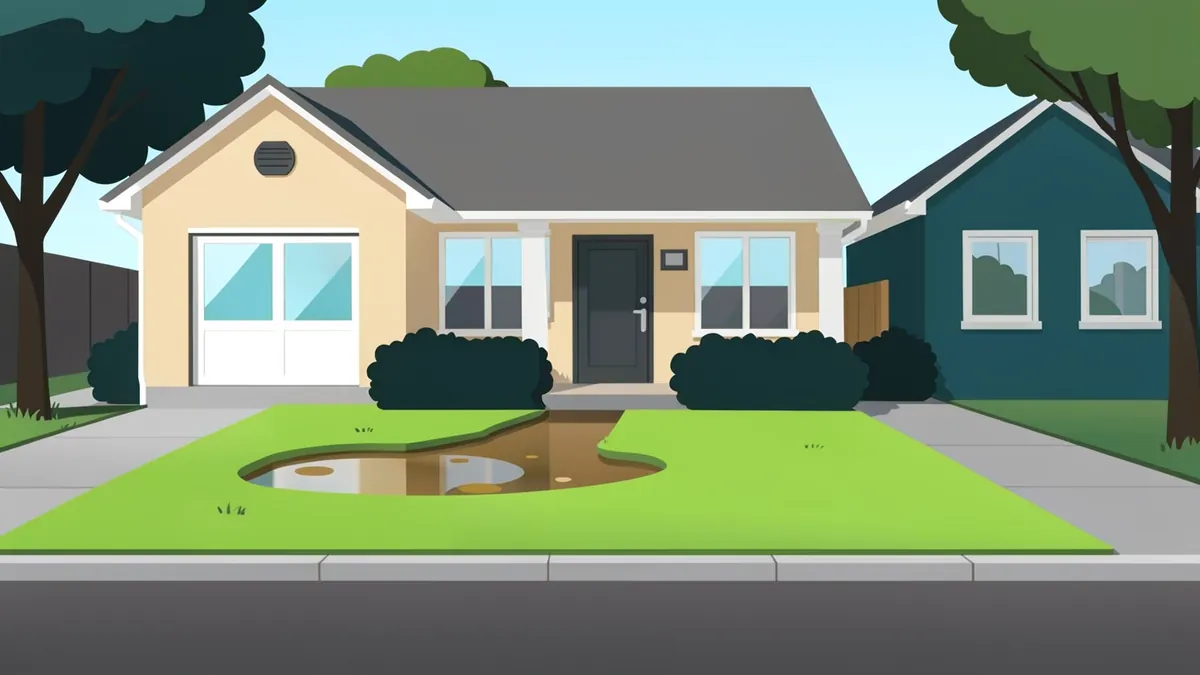
A broken sewer line often shows up as backups that keep returning, sewage odors, wet or sinking ground along the pipe's route, rats, or a defect notice after a utility's smoke test. Rule out a gas leak or a leaking water line first, then confirm the damage with a camera inspection before you agree to any repair.
On this page
Sewer lines seldom fail all at once. A joint pulls apart, a crack opens or a section starts to sink, and the pipe may keep draining well enough that nobody suspects a thing until the clues pile up. Those clues turn up in three places: inside the house, on the ground above the pipe, and on the video when a camera finally goes in.
This guide sorts the signs of a broken sewer line by where you'll notice them, shows how to rule out a gas leak or a leaking water line that can look similar, and explains how a break is confirmed before anyone quotes a repair.
What counts as a broken sewer line
Your sewer line, often called the lateral, is the buried pipe that carries everything from the house's drains to the public sewer. A broken or cracked sewer pipe can mean several kinds of damage. NASSCO, the trade association whose defect codes many inspectors use, calls a break line that isn't visibly open a crack, one that is visibly open a fracture, and a pipe whose pieces have moved out of their original position broken (NASSCO). Joints that have pulled apart, holes, sags and caved-in sections complete the list.
Small openings matter because they work in both directions. Groundwater seeps in through cracks and leaky joints; Gwinnett County's water department cites national studies finding that more than 80 percent of the rain and groundwater getting into a sewer system, which engineers call inflow and infiltration, comes from faulty laterals (Gwinnett County DWR). Sewage can also seep out into the surrounding soil, as EPA notes in describing how utilities test lines for leaks.
Why do lines break? EPA's report to Congress on sewer overflows names faulty joints, root intrusion, aging pipe material and improper connections among the most common defects in house laterals, and it traces many of them to poor design, pipe selection and construction. Two failure modes get their own guides: a belly, or sag, in the line and a collapsed sewer pipe.
Signs inside the house
Inside, a broken line rarely announces itself directly. Most of its signs look like other plumbing problems, so treat them as reasons to look closer, not as proof.
- Backups that keep coming back. A line that clogs again soon after each cleaning may have a defect that catches debris or lets roots in. If several fixtures act up together, start with the signs of a main sewer line clog.
- Water pooling around a basement floor drain. St. Louis's sewer district lists this among the signs of a blocked or damaged lateral, along with slow drains, sewage odors inside or outside the building, wastewater leaking from cleanouts and wet ground in the yard (MSD).
- A sewage smell with no obvious source. Dry drain traps and failed toilet seals are more common culprits, so work through the sewer gas smell checklist before blaming the line.
- Trouble that follows the weather. EPA counts stormwater and groundwater entering through cracks and leaky joints among the problems that overload sewers (EPA). Drains that gurgle or back up mainly during long, soaking rains can mean your own line is taking in water.
- Rats indoors. A Pennsylvania county health department explains that rats find breaks and separations in older clay and brick sewer pipes, burrow to the surface, and can also climb a house drain and get in through an uncovered floor drain or even a toilet. It suggests having a plumber check the line with a sewer camera (Allegheny County Health Department).
Signs in the yard, driveway or street
Outside, follow the pipe's route from the foundation toward the street or the sewer main.
- Wet ground when it hasn't rained, which the St. Louis district's list includes.
- A sewage odor outdoors along that route.
- Liquid seeping around a cleanout cap, a sign of a blockage or damage farther down the line.
- A dip, hole or sinkhole over the line. Northern Kentucky's sewer district warns that deteriorating private laterals can cause sinkholes and destabilize nearby structures, and it names sinkholes as one sign of a defective lateral (SD1).
- Rat burrows near the point where your line meets the main. The Allegheny County flyer treats burrow holes directly above that junction as evidence that rats are using the sewer.
- Smoke coming out of the ground during a utility smoke test. In a sound line, harmless test smoke pumped into the sewer comes out of manholes and roof vents; when the line has defects, it escapes through the breaks (Oconee County). Gwinnett County finds problems this way and with cameras, and it notifies owners when a defect turns up on their property.
Rule out a gas leak or a water line leak
Two other buried lines produce look-alike signs, and one of them is dangerous.
Natural gas. Atlanta Gas Light lists dirt blowing from the ground, discolored vegetation, steady bubbling in standing water, a hissing or roaring sound and a rotten-egg odor as signs of a gas leak. If you notice any of them, don't try to find the source. Get out of the area, keep clear of anything that could ignite gas, such as a phone, a light switch or a car, and call 911 or the gas company only after you've reached a safe spot (Atlanta Gas Light). If your gas comes from a different company, its website and bill list its emergency steps.
Your water service line. A leak in the pressurized pipe from the water meter makes soggy ground too, but it also turns the meter. Gwinnett County's test: stop all water use for two hours, write down the meter reading and watch its small leak indicator; if the reading has changed or anything on the dial moved, you probably have a leak (Gwinnett County DWR). A sewer leak can't move the meter, because it only loses water that was already metered and sent down a drain. Wet ground with a still meter, a sewage smell, or soil that gets wetter after laundry and showers points back to the sewer line.
Under the yard: how a break is confirmed
Surface signs tell you where to look; testing tells you what's actually wrong.
- Camera inspection. A camera pushed through the line records cracks, separations and breaks, and a small transmitter on the camera lets the technician find each one from the surface and estimate how deep it is. What a sewer camera inspection shows covers what to ask for. If the report says soil or a void is visible through a break, ask about it: in NASSCO's coding, "void visible" means a cavity has already formed outside the pipe, so soil has been lost around that spot.
- Smoke testing. EPA notes that smoke testing works best when groundwater sits below the pipe, so cracks can leak smoke, and that where smoke comes out of the ground isn't necessarily where it escapes from the pipe (EPA). A camera is still needed to pin down the defect.
- Water testing. A section of line is plugged and filled with water, and the level is watched; a drop over time means that section leaks. The test tells you whether it leaks, and a camera usually shows where.
If your utility schedules a smoke test, run water into rarely used drains beforehand so their traps are full. Oconee County adds that smoke getting into a house through filled traps suggests a plumbing defect inside, that if smoke can get in, sewer gas can too, and that its crews won't ask to enter your home.
Safe checks, and what not to do
You can gather useful evidence without opening a pipe:
- Walk the route on a dry day. Note wet spots, odors, depressions and burrows, with dated photos.
- Run the two-hour meter test before calling anyone about a soggy yard.
- Track the pattern. Write down whether trouble follows heavy water use, rain or nothing in particular.
What not to do:
- Don't dig down to the pipe to look. Georgia 811 wants every digging project to begin with a locate request, and the state's dig law makes one mandatory before any digging with motorized equipment (O.C.G.A. § 25-9-6). Even then, its member utilities locate only their own public lines. Georgia 811 classes the sewer line from your house to the public sewer as a private utility, which a private locating company has to mark (Georgia 811).
- Don't stand in or probe a sinkhole, and keep children, pets and cars off sinking ground.
- Don't expect chemicals to help. No drain opener or root killer can close a crack or reconnect a joint.
When it's an emergency, and who to call
Act right away if sewage is coming up inside the house (stop using water first), if a hole is opening or growing over the line, especially near a driveway, sidewalk or street, or if you notice any sign of a gas leak, in which case you leave before calling. Keep everyone away from a growing hole and report it to your sewer provider.
Call within days if wet ground and odors persist, a utility sends a defect notice, or backups keep returning. A licensed plumber with a camera can find and mark the damage. If it might sit near or under the street, check with your sewer provider before anyone digs, because who fixes which section varies from one Georgia provider to the next; the guide to who is responsible for the sewer line in Georgia shows how to look up your provider's rule.
Cleaning can reopen a line, but it can't seal a crack. The fix depends on what the video shows, from a spot repair to lining or replacement, and sewer line repair options compares the methods. Treat this guide as general information rather than plumbing or legal advice: the plumber who reviews your camera footage, along with your sewer provider, is in a position to say what your line needs.
Frequently asked questions
Can a sewer line be broken without causing backups?
Yes. A crack or a leaky joint can let groundwater in or sewage out while the pipe still drains. That's why some owners first learn about a break from their utility, after a smoke test or camera survey of the sewer turns up a defect on their property.
Will a broken sewer line raise my water bill?
Usually not. The meter counts the water coming into the house, and a sewer leak only loses water that has already been counted. A bill that jumps, or a meter that moves while nothing is running, points to a leak on the supply side; Gwinnett County notes that high water bills are often caused by leaks inside or outside the home.
Can a broken sewer line make you sick?
Sewage that surfaces in a yard or basement can. EPA says raw sewage carries bacteria, viruses, protozoa and intestinal worms, and that people can be exposed through direct contact in places like basements and lawns. Keep children and pets away, wash well after any contact, and see a doctor if you feel ill after exposure.
Does a sinkhole in the yard mean the sewer line is broken?
Not by itself. A sinkhole tells you soil is being carried away somewhere below, and the cause still has to be found. One along your sewer line's route, especially with a sewage odor or slow drains, is a strong reason to have the line inspected, and the collapsed sewer pipe guide explains what to do while you wait.
Next step
Before you call for a repair, write down what you've seen and where, run the two-hour meter test, and then book a camera inspection that includes locating and marking each defect, so any quote rests on video rather than guesswork.
Sources
- Metropolitan St. Louis Sewer District: Lateral Line: A Guide to Your Private Sewer Line
- Gwinnett County Department of Water Resources: Sewer Lateral
- Oconee County Water Resources Department: Fast Facts About Smoke Testing
- U.S. Environmental Protection Agency: Report to Congress on the Impacts and Control of CSOs and SSOs, Appendix L: Technology Descriptions (2004)
- U.S. Environmental Protection Agency: Sanitary Sewer Overflow (SSO) Frequent Questions
- NASSCO: PACP Condition Grades and Their Proper Application (Tech Tips, June 2016)
- Atlanta Gas Light: Sewer Blockage Safety for Customers
- Gwinnett County Department of Water Resources: Leak Detection
- Sanitation District No. 1 of Northern Kentucky: Private Lateral Repair Program FAQs
- Allegheny County Health Department: How Rats Enter Homes from Sewers
- Georgia 811: Georgia Dig Law (Georgia Underground Facility Protection Act, O.C.G.A. Title 25, Chapter 9)
- Georgia 811: Have my lines been marked?
Guides that pick up where this one stops.
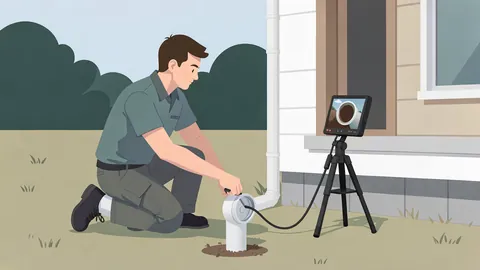
Sewer Camera Inspection: What It Shows and What to Ask For
What a sewer camera inspection shows and misses, how a sonde marks the problem spot, what NASSCO defect codes mean, and what to get in writing.
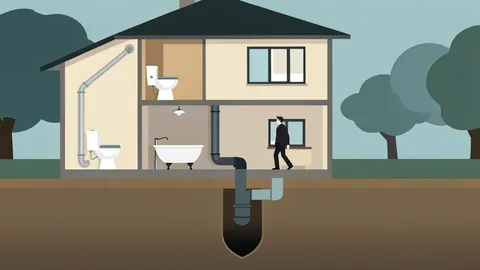
Signs Your Main Sewer Line Is Clogged, Not Just One Drain
How to tell a main sewer line clog from one slow drain: the warning signs, what each means, a simple safe check, and when to call a plumber or your utility.
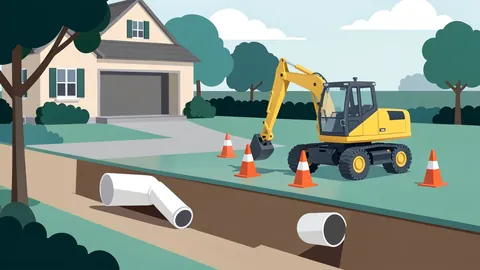
Sewer Line Repair: Spot Repair, Lining, Bursting or Replacement
How spot repair, cured-in-place lining, pipe bursting and open-trench replacement compare for a Georgia sewer line, plus permits, 811 and safety.