Why Does My Main Sewer Line Keep Backing Up? Causes and Fixes
My main sewer line keeps backing up even after it's been cleared. Why, and how do I stop it?
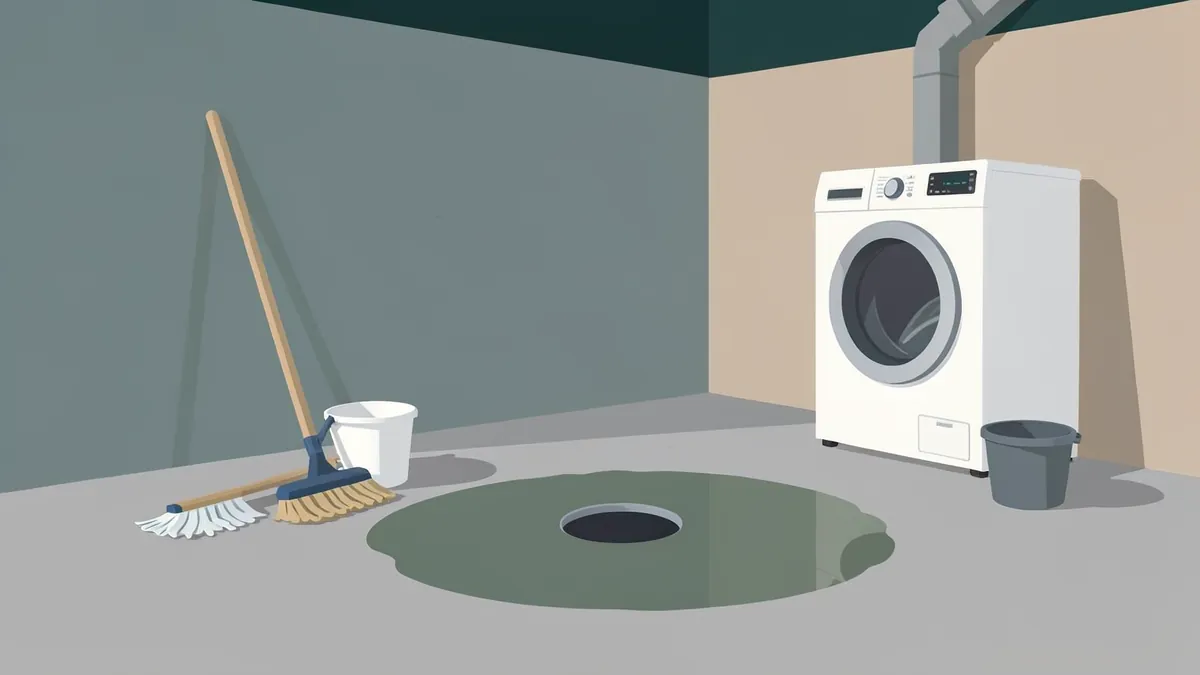
Short answer
Clearing a main line gets it flowing again but usually leaves the cause in place: roots regrow through the same joints, a sag or offset joint keeps catching solids, cracked or flattened pipe keeps failing, or the public sewer backs up into low drains. A camera inspection once the line is open, plus a record of every backup, shows which cause you have; the lasting fix is a repair, a backwater valve or cleaning timed by the video.
On this page
Maybe a plumber cleared your main sewer line in the spring, and by fall the basement shower is filling again, this time with talk of replacing the whole line. One backup can be bad luck. Backups that keep coming back mean that whatever caused the first one is still there, in your pipe or in the public sewer beyond it.
This guide covers why a cleared line backs up again, the usual causes and their clues, how to find out which one you have, and the repairs that end the cycle. If sewage is coming up right now, stop using water and start with what to do during a sewer backup. If you aren't sure the main line is involved, check the signs of a main sewer line clog first.
Why a cleared sewer line backs up again
An emergency drain cleaning visit is meant to get water moving; removing the cause is a separate job.
A cable machine bores through the stoppage with a cutter smaller than the pipe, at least an inch smaller by one manufacturer's rule of thumb, and its manual recommends flushing the line and repeating the cutting several times if needed for a thorough job (RIDGID K-1500 manual). A quick pass that only opens a channel can leave much of the blockage on the pipe walls. And whatever made the pipe catch debris in the first place, such as a sag, a cracked joint or an opening full of roots, is still there after any cleaning.
Roots are the clearest example. Traverse City, Michigan's sewer department says roots that have gotten into a lateral will likely cause a blockage sooner or later, recommends scheduled cleaning and a structurally sound lateral, and warns that growing roots can break the pipe or make it collapse (City of Traverse City). The tree roots guide covers the fixes that outlast cutting.
The timing is a clue in itself: backups that line up with heavy rain, hit the neighbors too, or return sooner after each cleaning point to different causes.
Common causes of repeat sewer backups
A camera inspection is what tells these causes apart. InterNACHI's sewer scope standard lists conditions an inspector must report as needing correction, including root intrusion, offsets of more than 1/4 inch, more than 1 inch of standing water, excessive grease, and broken or collapsed pipe (InterNACHI).
| Cause | Clues between backups | What the camera shows | What usually ends it |
|---|---|---|---|
| Roots | Backups come back after each cutting | Root masses at joints or cracks | Repairing the entry points; scheduled cleaning until then |
| A sag (belly) | Slow drains between cleanings | A stretch of standing water | Digging up and re-sloping that section |
| Offset or separated joints | Debris snags at the same distance each time | A lip or gap at a joint | Spot repair, or lining where the code allows it |
| Cracked, broken or flattened pipe | A soggy or sunken spot over the line | Breaks, deformed pipe, collapse | Repair or replacement |
| Grease | Heavy kitchen use; a slow return after each cleaning | Grease coating the walls | Jetting, then keeping grease out of the drains |
| The public sewer | Neighbors affected; backups during storms; your line found clear | Your line looks sound | A report to the utility; a backwater valve for low fixtures |
Sags. The City of Saint Paul, Minnesota, describes a belly as a low point where wastewater and solids accumulate instead of flowing freely, which may lead to blockages and backups. Its standard repair is to dig up the section and correct the pitch, and it allows lining through a belly only after the owner acknowledges in writing that lining won't fix it (City of Saint Paul). The 2024 International Plumbing Code bars relining where the video shows backgrade or insufficient slope, or complete separations such as those from tree roots; the defective sections have to be dug up and rebuilt with new pipe (2024 IPC, Section 717.5). Georgia has adopted the 2024 IPC with Georgia amendments. The Georgia Department of Community Affairs' most recent announcement (December 2025) gives January 1, 2027 as its effective date, while an earlier DCA memo said January 1, 2026, so ask your city or county building department which edition it enforces (Georgia DCA). How a belly shows up on camera and the ways it is fixed are covered in sewer line belly.
Damaged pipe. InterNACHI's guide for inspectors names a damp depression in the lawn above the sewer line as one of the problems a sewer scope can help confirm (InterNACHI). If you know or suspect the line is old clay or bituminized fiber (Orangeburg) pipe, tell the technician before any cutting starts.
Rain and the public sewer. If backups arrive with storms, rainwater and groundwater are getting into the sewer, through the public pipes, your own lateral or both, and the overflow comes out at the lowest drains it can reach. Why drains back up when it rains explains what to check and report. On a septic system, the tank and the drain field join the list of suspects.
How to find the cause
- Keep a backup log. For each backup, note the date, which drains backed up first, the weather, what was running, who came, how far the cable went and what came out on the cutter. Keep the invoices together.
- Get a camera inspection once the line is open. InterNACHI tells inspectors to run water through the line first and never to force the camera through an obstruction (InterNACHI), so the camera comes after the clearing. Ask for the whole run to the public sewer connection, with distances to each defect, and keep the entire video, which InterNACHI's standard says the client should receive. The camera inspection guide lists what else to ask for.
- Have the public side checked when the clues point there: neighbors are affected, backups follow storms, or the blockage turns up near the street. In Atlanta, a customer whose plumbing contractor says a backup may be caused by the city's sewer can email the plumber's invoice, with the inspection details and the problem area, to get a Department of Watershed Management inspection (ATL311). Where the utility's part ends and yours begins depends on your provider; see who is responsible for the sewer line in Georgia.
- Walk the line outside. Look for a soggy or sunken spot along its path, a damaged cleanout cap and trees close to the line. Gwinnett County's checklist for owners includes keeping the cleanout cap in good condition, having the private lateral inspected by a licensed plumber, and not planting deep-rooted trees or shrubs near it (Gwinnett County).
Repair and service options that end the cycle
Once the video shows the cause, the options are:
- Scheduled cleaning, timed by video, for sound pipe where roots or grease return slowly. Set the interval by follow-up video, and expect roots to keep returning until their entry points are repaired.
- Repairing the defect. A single bad joint may need only a spot repair; a cracked line that keeps its shape and slope may suit lining; sags, collapses and complete separations generally mean digging, under the code limits above. Sewer line repair options compares the methods.
- Adding a cleanout. Without one outdoors, every cleaning and camera visit goes through a pulled toilet or a roof vent. Georgia's amendments to the plumbing code call for building sewer cleanouts no more than 100 feet apart, plus one within 10 feet of the public right-of-way (Georgia DCA amendments).
- A backwater valve, when the public sewer backs up into low fixtures. Fixtures on a floor below the cover of the next upstream manhole on the public sewer must be protected by one (IPC Section 714.1), and Gwinnett County says it won't be responsible for damage from a backup in its main if a required valve is missing. See backwater valves explained.
Any repair that involves digging starts with Georgia 811: state law requires a locate request before anyone digs with mechanized equipment (Georgia 811).
Safe homeowner checks and what not to do
Safe checks:
- Find your cleanouts and keep the caps on and intact.
- Learn whether your lowest plumbed floor sits below the next upstream manhole; the backwater valve guide shows how.
- Keep grease, wipes and other non-flushables out of the drains.
- Keep every video and invoice in one folder.
What not to do:
- Don't open a cleanout while the line is backed up; let the plumber or utility crew do it.
- Don't run a rented cutter through a yard line without locates and a camera. Atlanta Gas Light warns that a gas pipe bored through a sewer line could be damaged, discourages clearing a yard blockage with a mechanical rotary device without first locating utilities and inspecting with a camera, and calls 811 locates the safest first step even when no digging is planned (Atlanta Gas Light).
- Treat a rotten-egg smell during sewer work as a gas leak. Atlanta Gas Light says to leave the area at once, avoid anything that could spark, including phones and light switches, not try to find or stop the leak, and call 911 or the gas company once you're somewhere safe.
- Don't dig toward the pipe yourself, and leave any trench to the contractor.
- Don't pay for the same cleaning again without video.
Emergency warning signs, and who to call
Treat these as emergencies:
- sewage coming up inside, especially at the lowest drains, or several fixtures backing up at once;
- sewage flowing from a cleanout or manhole outdoors;
- a rotten-egg smell while a line is being cleared or dug up.
For your own line, call a licensed plumber or drain cleaning company. If the trouble reaches beyond your lot, with neighbors backing up, a manhole overflowing or sewage outdoors near the street, call your sewer utility's emergency number, listed on its website and usually on your bill. In north metro Atlanta, the north metro unclogging guide shows which providers want the first call. This guide is general information, not legal or plumbing advice; a licensed plumber, your sewer utility and your insurer can tell you what applies to your property.
Frequently asked questions
Will a backwater valve stop my main line from backing up?
Only backups that come from the public sewer. Gwinnett County describes the valve closing when sewage backs up at the upstream manhole, keeping it from leaving the main and entering the home. It does nothing about a blockage in your own line, and while it's closed, water from the fixtures it protects has nowhere to go.
Can the utility be responsible for repeat backups?
Sometimes. If the blockage or defect is in the public sewer, or in a part of the lateral your provider maintains, the provider handles it, and that dividing line differs from one Georgia provider to the next. Get the plumber's findings in writing with the problem area marked; Atlanta's process asks for exactly that.
Is it cheaper to keep cleaning the line or to repair it?
That depends on the defect, how often the line needs cleaning and which repair fits, so compare written quotes against the same video. Cleaning can make sense for sound pipe with slow-returning roots or grease; a sag, a collapse or a separated joint will keep catching debris until it's repaired.
Next step
Before the next backup, put the history on paper: every date, what backed up, what each visit found and any video. Then get a camera inspection of the cleared line with a written finding, and choose between scheduled cleaning and a repair based on what that video shows.
Sources
- International Code Council: 2024 International Plumbing Code, Chapter 7: Sanitary Drainage (Sections 714 and 717)
- Georgia Department of Community Affairs: Georgia State Amendments to the International Plumbing Code (2024 Edition)
- Georgia Department of Community Affairs: New Georgia Codes and Amendments - Effective January 1, 2027
- Georgia 811: Georgia Dig Law (Georgia Underground Facility Protection Act, O.C.G.A. Title 25, Chapter 9)
- City of Atlanta ATL311: Plumbers Invoice for DWM Sewer Issue Inspection
- Gwinnett County Department of Water Resources: Sewer Lateral
- Atlanta Gas Light: Sewer Blockage Safety for Customers
- City of Saint Paul, Minnesota: CIPP Lining and Belly Acknowledgment Form
- City of Traverse City, Sewer and Water: Tree Root FAQ
- International Association of Certified Home Inspectors (InterNACHI): InterNACHI's Sewer Scope Inspection Standards of Practice
- International Association of Certified Home Inspectors (InterNACHI): Sewer Scope Inspections for Home Inspectors
- RIDGID (Ridge Tool Company): K-1500A/B & K-1500SP Drain Cleaning Machines: Drain Cleaner Manual
Guides that pick up where this one stops.
Sewer Camera Inspection: What It Shows and What to Ask For
What a sewer camera inspection shows and misses, how a sonde marks the problem spot, what NASSCO defect codes mean, and what to get in writing.
Sewer Line Repair: Spot Repair, Lining, Bursting or Replacement
How spot repair, cured-in-place lining, pipe bursting and open-trench replacement compare for a Georgia sewer line, plus permits, 811 and safety.

Tree Roots in Sewer Lines: How They Get In and What to Do
How roots get into sewer lines, the warning signs, cutting and jetting, root-control chemicals and their labels, lining, and where to plant in Georgia.