Clogged Drain or Sewer Line in North Metro Atlanta: Who to Call
My drain or sewer line is clogged and I live in north metro Atlanta. Do I call my sewer provider or a plumber first, and what happens after that?

Short answer
One slow fixture is a plunger or plumber job. When several drains back up, the provider that runs your public sewer decides the first call: Gwinnett and DeKalb investigate their own pipes when you report a backup, while Fulton County, Marietta and Cartersville leave clearing the whole lateral, even under the street, to you and your plumber. The plumber usually clears the line from a cleanout with a cable machine and should show you camera video before selling a repair.
On this page
- Clogged drain or main line clog? Three questions first
- Who to call first for a sewer backup in north metro Atlanta
- Before the crew or plumber arrives
- What the provider checks when you report a clogged sewer line
- What a drain unclogging visit involves
- Emergency drain cleaning after hours: costs and fine print
- Keeping the clog from coming back
- Next step
Water rising in a basement shower while the washer empties, or sewage at a floor drain late on a Saturday, raises one urgent question: who do you call? In north metro Atlanta the answer depends on who runs the sewer under your street, whether a county department, a city utility or a water and sewer authority, because each one decides differently what its crews check and what it leaves to your plumber.
This guide follows a stoppage from the first gurgle to a clear line: where the clog is, the first call in each north metro city, what a provider crew and a plumber do, after-hours costs, and how to keep it from coming back.
Clogged drain or main line clog? Three questions first
One fixture or several? A single slow sink, tub or toilet is usually blocked in its own drain; see how to unclog a drain yourself. Several fixtures acting up together, or the lowest drain filling while others run, points to the main line, and the guide to main sewer line clog signs has a quick check.
Is anyone else affected? Neighbors with the same trouble, an overflowing manhole or sewage at a cleanout near the street all suggest the public sewer, which is the provider's to fix.
What is the house connected to? A home on septic has no sewer provider to call. The City of Milton doesn't provide sewer service, and it says residents who don't pay for it are likely on septic (City of Milton). In Cumming's low-pressure sewer areas, the homeowner owns the grinder pump and its service line, while the city owns the force main in the right-of-way (Cumming Utilities), so a failed pump is a job for your own contractor.
Who to call first for a sewer backup in north metro Atlanta
North metro providers fall into two camps. Some check their own pipes as soon as you report a backup. Gwinnett County's Department of Water Resources (DWR) treats every backup report as an emergency and sends an investigator (DWR procedure), and Cobb County Water System says it can verify whether county lines, including any in an easement on your lot, are contributing to a sewer problem (CCWS). Call those providers first; the visit tells you whose side the blockage is on.
Others expect your plumber to go first. Fulton County, Marietta and Cartersville make clearing the whole lateral the owner's job, even under the street, and step in only in set cases, such as a broken pipe or a health emergency. Call a licensed plumber first there, unless sewage is spilling from a manhole or onto the street; Marietta asks anyone who sees or smells a spill to report it right away (Marietta). Who owns each piece of pipe is covered in who is responsible for the sewer line.
| City | First call for a sewer backup | What the provider checks, clears or leaves to you |
|---|---|---|
| Cumming and unincorporated Forsyth | Cumming Utilities' collection division takes spill reports and lists an after-hours line (Cumming); Forsyth County's main line goes to an answering service after hours (Forsyth). | Forsyth warns that residents can be held liable for damage and cleanup costs when they cause a backup (flyer). |
| Alpharetta | Fulton County's north Fulton sewer line, which also takes after-hours calls (Fulton County). | The lateral is yours even under a public road; county help there needs a serious public-health threat, your plumber on site and a signed release (flyer). |
| Milton | Fulton County if your bill has a sewer charge; without one, the city says you're likely on septic, so call a septic contractor (Milton). | The city puts maintaining, repairing or replacing a septic system on the homeowner. |
| Johns Creek | The city sends sewer problems to Fulton County's sewer line, which has an after-hours emergency option (Johns Creek). | County code allows emergency help only where the lateral has a cleanout at the right-of-way or easement edge, at the owner's expense (§ 82-195). |
| Roswell | Fulton County, which handles all sewer lines in the city (Roswell). | Lateral repairs in the right-of-way are done by the county or an approved contractor, and the owner pays a set fee first (flyer). |
| Sandy Springs | Fulton County Sewer Services, per the city, even though Atlanta bills for sewer (Sandy Springs). | The county never repairs a lateral outside the right-of-way or a county easement (flyer). |
| Dunwoody | DeKalb's water and sewer emergency line (Dunwoody), which DeKalb runs 24 hours a day (DeKalb). | A crew sorts county from private problems; owners with a private one are advised to get a plumber and to add a property-line cleanout if they lack one (response plan). |
| Marietta | Your plumber, for your own line; spills go to Marietta Water dispatch, with crews on call around the clock (Marietta). | If a licensed plumber can't clear a blockage under the street, a city crew removes it with the line exposed and the plumber on site; failed pipe there is the city's (FAQ). |
| Kennesaw | Cobb County Water System's emergency dispatch, which it reserves for a sewer backup in a home or street or a broken water line (CCWS). | The county manages public sewer lines; the pipes within your property are yours (CCWS). |
| Acworth | Cobb's emergency-only line, which the city's public works page lists for water and sewer emergencies (Acworth). | After county repairs nearby, CCWS asks you to stop adding water and report slow drains or backups, since more work may be needed (CCWS). |
| Woodstock | The city Water & Sewer Utility's business-hours number, or its after-hours number once utility offices close at 4 p.m. (Woodstock). | City code says Woodstock doesn't provide sewer to unincorporated areas, even next to the city limits (§ 44-124). |
| Canton | The Water and Sewer Department on weekdays, 8 a.m. to 5 p.m.; the Operations Department after hours (Canton). | From the right-of-way or property line to the trunk sewer, the lateral is the city's (§ 114-3). |
| Holly Springs | The Cherokee County Water and Sewerage Authority (CCWSA), which logs spills on its lines there (minutes) and lists an after-hours number (FAQ). | CCWSA jets and televises its mains, but it calls a problem on the private service line "definitely a plumber call" (CCWSA). |
| Suwanee | Gwinnett DWR, which the city lists among its utilities (Suwanee); its dispatch center answers 24 hours a day (DWR). | The investigator first checks flow in the manholes upstream and downstream of your home and has a blocked main jetted (DWR procedure). |
| Sugar Hill | Gwinnett DWR's 24-hour dispatch; city code calls the sanitary sewer system Gwinnett County's (Sugar Hill). | A dry stub at the right-of-way cleanout ends the county's work; a backed-up stub gets jetted, or dug up if jetting fails (DWR procedure). |
| Buford | The city's emergency utility numbers: one for weekdays, another for nights, weekends and holidays (Buford). | The city serves "various areas," so check your bill for a city sewer charge. |
| Duluth | Gwinnett DWR, where the city's FAQ sends water and sewer emergencies (Duluth). | With no right-of-way cleanout and no other way to find the blockage, DWR installs one at county expense on request, usually within two to five business days (DWR procedure). |
| Lawrenceville | Gwinnett DWR; city code requires a county permit to open or connect to a public sewer (§ 38-37). | DWR won't work outside the right-of-way or easement to restore service on the private section, and it doesn't recommend plumbers (DWR procedure). |
| Cartersville | Water Department crews, on duty 24 hours a day, all year (Cartersville). | You clear obstructions along the whole lateral to the main; the city repairs a defective lateral from the cleanout or property line to the main (§ 24-41). |
| Rome | The Water & Sewer Division's 24-hour line, which lists sewer stop-ups and manhole overflows as emergencies and asks that none be emailed. | City code makes occupants keep their sewer connection in good condition at their own expense (§ 22-334). |
For every other city and community within 45 miles of Atlanta, the local directory names the sewer provider and links its guide.
Before the crew or plumber arrives
- Keep the water off. Every flush and load of laundry adds to what has to come back up. EPA notes that raw sewage carries bacteria, viruses and parasites (EPA); the sewer backup guide covers people, pets, wiring and cleanup. See a doctor if you feel ill after contact.
- Find the cleanout, but leave the cap on. Clear a path to it. CCWSA warns that opening a cleanout to let sewage run onto the ground creates new problems, starting with the smell beside your house (CCWSA).
- Have the details ready. Fulton County asks callers for a name, phone number, location and description of the problem (Fulton County). A plumber will also want to know which fixtures backed up, in what order and since when.
- Say what you poured. If a chemical drain opener went down any drain, tell whoever opens the line; the guide to chemical drain cleaners explains why.
- Ask about gas lines before a yard line is cut. Atlanta Gas Light says the safest way to clear a yard blockage is to have underground lines located through 811 first, and it discourages using a rotary cutter there without a locate or camera inspection, since a gas pipe bored through the sewer can be damaged (Atlanta Gas Light). If you smell rotten eggs, leave, avoid anything that could spark, and call 911 or the gas company from a safe place.
- Check the license. Ask for the master plumber's name and license number before work starts; how to hire a drain cleaning company in Georgia shows where to look it up.
What the provider checks when you report a clogged sewer line
A provider visit settles one question: is the blockage in public pipe or private pipe? Gwinnett's written procedure spells it out: it starts at the manholes on either side of your property, has a blocked main jetted and then reads the right-of-way cleanout (DWR procedure). DeKalb's response plan has its crew separate county problems from private ones in the same way (DeKalb).
Write down when the crew came and what it found at the main and the cleanout. Gwinnett's procedure has the investigator tell the owner, or leave a handout, when the blockage is on the private side; your plumber, and any later claim, will start from that finding.
What a drain unclogging visit involves
A plumber clearing a main line clog opens the line at an access point: ideally an outdoor cleanout, otherwise a pulled toilet or a roof vent. Most stoppages yield to a cable machine, while heavy grease or sludge may call for a water jetter; the drain cleaning methods guide explains what each tool can and can't do.
A camera turns "it's flowing again" into an explanation. Ask for one when the clog was in the yard line, when it's the second in a year, or before anyone quotes a repair, and keep the video; the camera inspection guide lists what to ask for. A pitch to replace the whole line with no footage behind it is a reason to slow down.
If the plumber can't clear the line, or finds the blockage near the street, go back to your provider's row in the table before more work is done. In Fulton County and Marietta, the provider helps under the street only with your plumber on site (flyer), and Marietta's crew removes just the blockage; restoring the line and the yard stays with your plumber (Marietta FAQ). In Gwinnett, if the blockage proves to be entirely in the county's stub, DWR sends a claim on your behalf to the county's Risk Management office, but its staff must see the excavated line before the repair, so allow at least two to three hours for them to arrive (DWR procedure). In Cartersville and Canton, city code puts part of the lateral near the main on the city (§ 24-41; § 114-3), so call the city before paying for work there.
Any of these can mean a trench. Georgia 811 asks for a locate request at least three business days before digging of any kind, and state law requires one before digging with mechanized equipment (Georgia 811; Georgia dig law). This is general information, not legal or plumbing advice; your sewer provider and a licensed plumber can tell you how the rules apply at your address.
Emergency drain cleaning after hours: costs and fine print
Most providers in the table can be reached at night; a plumber's night or weekend visit is priced by the company. Before agreeing to one, ask about trip or diagnostic charges and whether after-hours rates apply. Apart from the time of the call, the bill turns on how the technician reaches the line, what's in it, which machine it takes and whether digging follows; the drain cleaning cost factors guide explains each.
As a rough benchmark, Angi's drain cleaning cost guide, updated August 3, 2026 and checked for this article on October 3, 2026, lists an average of $100 to $800 to clear a sewage main line (Angi). It's a national marketplace figure, and Georgia quotes vary; one far outside it deserves an explanation.
The FTC's Cooling-Off Rule, which normally gives you three days to cancel certain sales made at home, doesn't cover sales needed to meet an emergency or repairs you asked a company to come and do, though anything sold beyond that request is covered (FTC). If a visit to clear a line turns into a pitch for a new one, ask for a written quote and decide later.
Keeping the clog from coming back
Providers' own records point to the usual causes:
- Grease. Cobb County Water System says 85 percent of the county's sewer blockages are grease-related and happen in residential areas (CCWS). Gwinnett notes that a clog on your property is yours to deal with and that a large spill can also bring a fine (DWR). Cooled grease goes in the trash; what not to flush or pour covers wipes and the rest.
- Roots at a joint. In Gwinnett, more than 70 percent of reported backups have historically been in the private part of the lateral, most often roots entering where the 4-inch private pipe meets the county's 6-inch stub (DWR procedure). Marietta traces nearly all service-line blockages to material sent down from the building or to roots of nearby trees and shrubs (Marietta FAQ). The tree roots guide covers fixes that outlast cutting.
- A missing cleanout. Gwinnett's crews can clean only through a cleanout in the right-of-way or an easement (DWR procedure), and Fulton County's emergency help depends on one (§ 82-195). If your lateral has none, ask a licensed plumber about adding one; the cleanout guide shows what to look for.
Next step
Find your city's row in the table and open the provider guide it links to. Note whether your provider wants the first call or expects a plumber to try first, and where it publishes its after-hours number, so that decision is made before the drains back up.
Sources
- Gwinnett County Department of Water Resources: Standard Procedure for Clearing Sanitary Sewer Back-ups and Overflows
- Gwinnett County Department of Water Resources: Report a Problem
- Fulton County Department of Public Works: Water and Sewer Service Laterals (flyer)
- Fulton County Code of Ordinances (Municode): Sec. 82-195. Sewer service laterals (building sewers) and connections
- DeKalb County Department of Watershed Management: Sanitary Sewer Overflow Contingency and Emergency Response Plan (October 2018)
- City of Marietta, Marietta Power & Water: Frequently Asked Questions (Power & Water)
- Cobb County Water System: Pipe Ownership
- Cartersville Code of Ordinances (Municode): Sec. 24-41. Generally (water and sewer extensions)
- Atlanta Gas Light: Sewer Blockage Safety for Customers
- Georgia 811: Georgia Dig Law (Georgia Underground Facility Protection Act, O.C.G.A. Title 25, Chapter 9)
- Federal Trade Commission: Buyer's Remorse: The FTC's Cooling-Off Rule May Help
- Angi: How Much Does Drain Cleaning Cost?
Guides that pick up where this one stops.
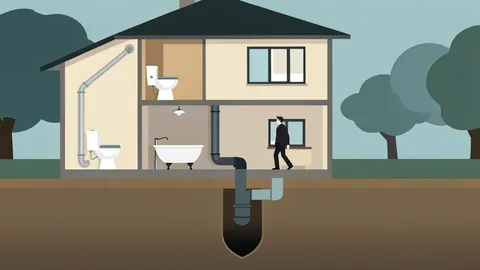
Signs Your Main Sewer Line Is Clogged, Not Just One Drain
How to tell a main sewer line clog from one slow drain: the warning signs, what each means, a simple safe check, and when to call a plumber or your utility.
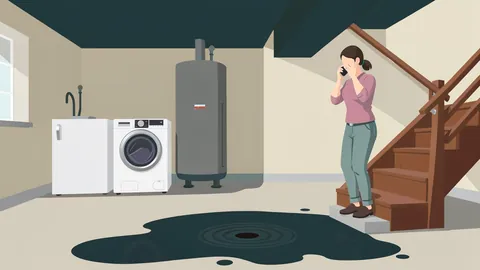
Sewer Backup in Your House: What to Do, Step by Step
What to do when sewage backs up into a Georgia home: the first steps, who to call, how to clean up safely, and when to hire a professional cleanup crew.
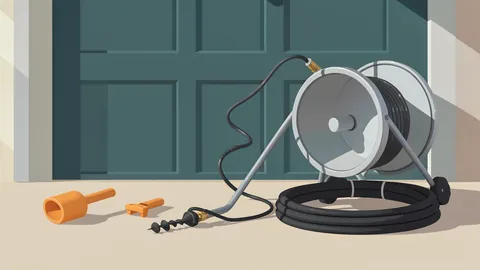
Snaking, Hydro Jetting or a Camera? Which Drain Service You Need
How plungers, augers, drum and sectional machines, hydro jetting, camera inspection and excavation differ, and how to match the method to your clog.