Why Does My Drain Keep Clogging? Causes and Lasting Fixes
Why does the same drain keep clogging after I clear it, and how do I make the fix last?
Short answer
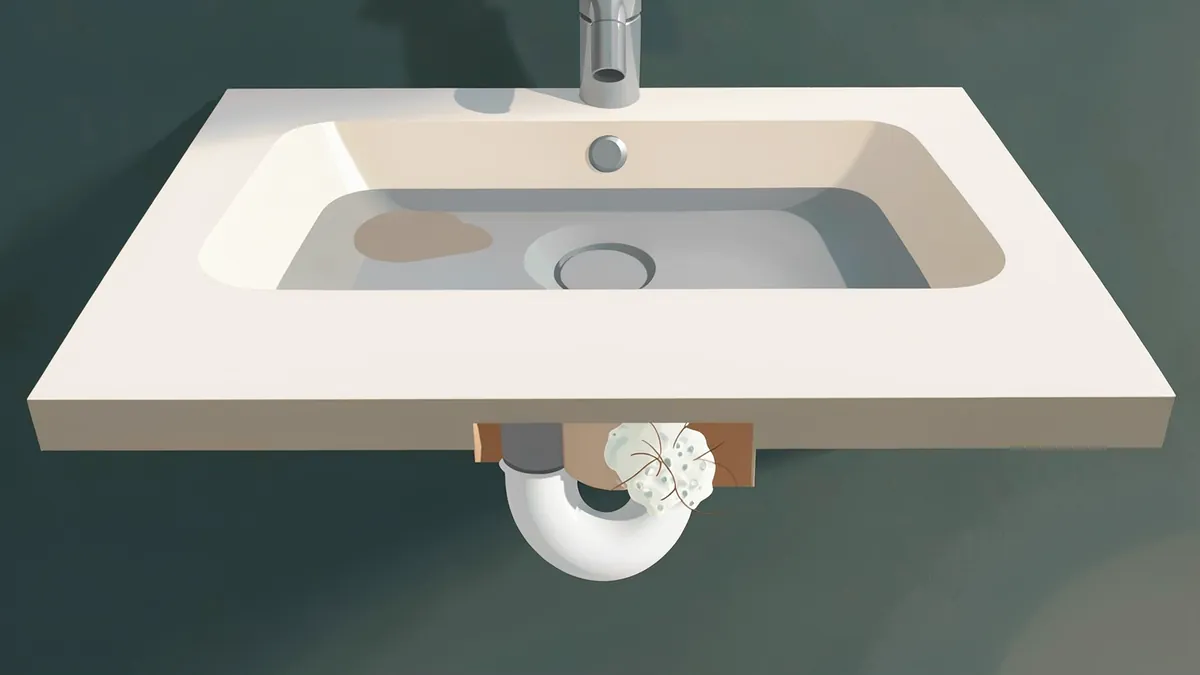
A drain that clogs again soon after you clear it usually has a cause still in place: buildup the last fix didn't scrub off, the same grease, hair or paper going down it, or a pipe that sags, narrows or can't get enough air. Find out what came out and how far in the clog was, then fix that cause; if more than one fixture is involved, look at the main line instead.
On this page
Maybe you plunged the bathroom sink last month and it's slow again. Or the kitchen drain needs snaking every few months, or one toilet needs the plunger every week. A drain that clogs once is bad luck. A drain that keeps clogging has a cause that is still there, and clearing the clog one more time won't remove it.
This guide is about finding that cause: what repeat clogs usually mean for each kind of fixture, how a plumber pins the cause down, and which fixes last. For the hands-on steps of clearing a single drain, see how to unclog a drain yourself.
What a drain that keeps clogging is telling you
Two questions narrow it down: how many fixtures are involved, and how fast the clog comes back.
One fixture or several? If one sink, tub, shower or toilet keeps clogging while everything else drains normally, the cause is usually in that fixture or the pipe it uses alone. If other drains slow down too, or a tub or floor drain fills when this fixture empties, the trouble is probably in a shared pipe; work through the signs of a main sewer line clog instead.
How fast does it come back? Keep a short log of every clog: the date, the fixture, what you used and what came out. Watch for these patterns:
- the drain runs well for a few days after clearing, then slows again;
- it has never drained well, even right after a professional cleaning;
- it gurgles as it empties, or a toilet flushes weakly;
- small fuzzy flies keep hovering over it, a sign of the slimy film inside slow drains (see drain flies).
Common causes of a drain that keeps clogging
Repeat clogs in one fixture usually trace to buildup the last fix left behind, the same material going down the drain, or the pipe, vent or fixture itself.
Buildup the last fix left behind
Clearing a drain and cleaning it are different jobs. A plunger or a small hand auger can punch a path through a clog so water drains again, yet leave material stuck to the pipe wall to catch the next load. Professionals start the same way: the operator's manual for one drum-type drain machine tells operators to run the smallest tool through a blockage first so the backed-up water starts flowing, then switch to tools suited to the blockage, including a cutter made for grease and for cleaning the pipe walls. It recommends several passes for a complete cleaning (RIDGID K-400 manual).
So when a drain clogs again within days, find out how it was cleared last time. Opening a drain and cleaning the line are different services, and the invoice should say which one you got.
What keeps going down the drain
Most repeat clogs are fed by the same material, over and over.
- A kitchen sink that keeps clogging: grease and food. The City of Savannah's water reclamation department explains that grease poured down kitchen drains cools and hardens on pipe walls, reducing the pipe's capacity and restricting flow (City of Savannah). A cleaning that leaves that coating in place leaves the pipe narrowed. If the sink has a disposal, see garbage disposal clogs.
- A shower or bathroom sink that keeps clogging: hair and soap. Hair collects at the stopper or strainer and binds with soap film. A strainer or hair catcher emptied into the trash keeps it out of the pipe.
- A toilet that keeps clogging: paper and things that don't dissolve. Toilet maker American Standard says that if you're constantly reaching for the plunger, make sure only toilet paper goes down, because tissues, cotton swabs, tampons and dental floss don't break down in water (American Standard). Kohler says paper made with lanolin, dyes and other additives can resist breaking down, and suggests a test: shake a single-ply sheet in a quart jar of tap water for 10 seconds, about as long as a flush; the paper that dissolves or shreds the most flushes best (Kohler).
The full list of what stays out of drains, and how to get rid of grease, is in what not to flush or pour.
The pipe, the vent or the toilet itself
If a drain keeps clogging even though nothing unusual goes down it, look at the plumbing.
- Too little slope, or a sag. Drains work by gravity, and HUD's residential rehabilitation inspection guide tells inspectors to check long horizontal runs for low spots caused by inadequate support, and for damage from settling (HUD). The 2024 International Plumbing Code requires horizontal drain pipe to run in uniform alignment at a uniform slope, at least 1/4 inch per foot for pipe 2 1/2 inches or smaller (2024 IPC, Section 704.1), a size that covers typical sink, tub and shower drains (Table 709.1 sets their minimum trap sizes at 1 1/4 to 2 inches). Water that pools in a dip drops whatever it was carrying.
- Fittings that catch debris. The code also bars fittings with ledges, shoulders or reductions that could obstruct flow, and drain pipe that gets smaller in the direction of flow (Sections 706.2 and 704.2). A repair made with the wrong parts can break both rules.
- A vent that can't breathe. Kohler's troubleshooting says that if a toilet's trapway is clear, or it has been snaked and still won't flush properly, a restricted vent pipe could be the culprit (Kohler). The toilet gurgling guide covers vent checks.
- An older low-flow toilet. EPA's WaterSense program says the low-flow toilets of the 1990s were sometimes associated with performance problems, such as needing a second flush, while toilets carrying the WaterSense label today are independently certified for performance, including how well they carry waste through a drain line (EPA WaterSense). American Standard also notes that some older toilets are engineered with weaker flushing power.
Georgia has adopted the 2024 International Plumbing Code with Georgia amendments. The Georgia Department of Community Affairs' most recent announcement (December 2025) gives January 1, 2027 as its effective date, while an earlier DCA memo said January 1, 2026, so your city or county building department can tell you which edition it enforces (Georgia DCA). Older houses were built under earlier codes, so treat these rules as a yardstick, not a verdict on your house.
How a plumber diagnoses a recurring clog
On a repeat clog, the job is to find out why, not just to open the drain again. Ask for these steps:
- The history. Say how often the drain clogs, how it was cleared last time and whether anyone poured a drain opener; the chemical drain cleaner guide explains why that matters.
- A sample of the blockage. When the cause is unknown, the K-400 manual calls it good practice to explore the blockage with an auger and pull back a piece to inspect. Hair, grease, food, paper and wipes each point to a different fix, so ask what came out.
- The distance. How much cable went in before it hit the clog shows whether it sat at the trap, in the wall or under the floor, or past the point where several drains join.
- A camera, if the cause still isn't clear. One manufacturer's small-drain camera is rated for 1 1/4- to 3-inch lines and built to pass through P-traps (RIDGID). Video can show a film on the walls, a dip that holds water or a fitting that snags debris. If the drain gurgles or a toilet flushes weakly, ask for the vent to be checked too.
Repair options that make the fix last
The fix should match what the diagnosis found.
| What was found | Fix that targets it |
|---|---|
| Grease or soap film on the pipe walls | A full cleaning with a grease cutter or water jetter, then no grease down the sink |
| Hair at the stopper or strainer | Cleaning the stopper and trap, then a strainer |
| Paper or items that don't dissolve | Different toilet paper, and only toilet paper in the bowl |
| A sag or low spot | Re-supporting or re-sloping that run of pipe |
| Wrong or undersized fittings | Replacing them with code-compliant parts |
| A restricted vent | Clearing or repairing the vent |
| An older, weak-flushing toilet | A performance-certified replacement |
| A blockage in a shared line | Cleaning the branch or main line |
Bigger fixes, such as re-sloping a drain or rerouting a vent, can mean opening a wall, ceiling or floor. Get the scope and price in writing, and ask whether a permit is needed and who will pull it.
Safe checks at home, and what not to do
None of these involves opening a pipe:
- Keep the clog log and hand it to whoever clears the drain.
- Look at the stopper or strainer after the next slowdown; hair, grease or grit there shows what's feeding the clog.
- Check for a shared problem. Run the nearest other fixture while you watch this drain, and stop if water rises here.
- Try the jar test if a toilet is the trouble.
What not to do:
- Don't rely on chemical drain openers. If you've already poured one, read the chemical drain cleaner guide before you plunge, snake or open the trap.
- Don't keep flushing a clogged toilet. American Standard says not to try to clear a clog by flushing repeatedly, and to turn off the toilet's water if it's close to overflowing.
- Don't open pipes inside walls, or the sewer cleanout, to chase a clog; leave those to a plumber.
When to call a plumber, and warning signs that can't wait
Call a licensed plumber when the same drain clogs again within a few weeks of a thorough clearing, when household tools don't reach the clog, when the drain gurgles, smells or keeps producing drain flies after you've cleaned it, or when a toilet needs the plunger after ordinary use even with the right paper.
These signs mean the problem has spread beyond one drain and can't wait:
- sewage or dirty water comes up in a tub, shower or floor drain;
- more than one fixture backs up at the same time;
- water rises in another fixture when this one drains;
- a toilet bowl keeps filling toward the rim after a flush.
If any of these happen, stop using water in the house and follow what to do during a sewer backup. This guide is general information, not professional advice; a licensed plumber who has seen your drain can tell you what it needs.
Frequently asked questions
How often is it normal for a drain to clog?
No official standard sets a number. A drain that needs clearing again within weeks, or every few months like clockwork, has a cause worth finding, and a written log of each clog is the quickest way to find it.
Do enzyme drain treatments stop clogs from coming back?
They're sold for maintenance, not for blocked drains. One maker says its enzyme product works over time, using microorganisms that release enzymes to break down residue, and that it won't open a completely clogged toilet (Drano FAQ). No treatment fixes a sag, a bad fitting or a blocked vent.
Why does only my toilet keep clogging?
Usually it's what gets flushed, the paper or the toilet itself. Flush only toilet paper, try the jar test, and if an older toilet still needs the plunger, ask a plumber to check the vent and whether replacing the toilet makes sense. If other drains act up too, the problem is in a shared line.
Next step
Start a clog log today: the date, the fixture, what you used and what came out. The next time that drain clogs, hand the log to the plumber and ask three questions: what came out of the pipe, how far in the clog was, and what will keep it from coming back.
Sources
- International Code Council: 2024 International Plumbing Code, Chapter 7: Sanitary Drainage (Sections 704 and 706, Table 709.1)
- Georgia Department of Community Affairs: New Georgia Codes and Amendments - Effective January 1, 2027
- U.S. Department of Housing and Urban Development: Residential Rehabilitation Inspection Guide
- U.S. Environmental Protection Agency (WaterSense): Residential Toilets
- City of Savannah Water Reclamation Department: Fats, Oils, and Grease
- RIDGID (Ridge Tool Company): K-400 Drain Cleaning Machine Operator's Manual
- RIDGID (Ridge Tool Company): SeeSnake microDRAIN APX & CSx Via System
- American Standard: How to Unclog a Toilet
- Kohler Co. (Kohler Assist): Frequent Toilet Clogging
- Kohler Co. (Kohler Assist): Toilet Water Not Leaving Bowl
- SC Johnson (Drano): Drain Cleaning FAQs
Guides that pick up where this one stops.
How to Unclog a Drain Yourself: A Safe, Step-by-Step Guide
Step by step: choose the right plunger, pull hair from tub drains, clean a P-trap, use a hand or toilet auger, skip boiling water, and know when to stop.
Signs Your Main Sewer Line Is Clogged, Not Just One Drain
How to tell a main sewer line clog from one slow drain: the warning signs, what each means, a simple safe check, and when to call a plumber or your utility.
Snaking, Hydro Jetting or a Camera? Which Drain Service You Need
How plungers, augers, drum and sectional machines, hydro jetting, camera inspection and excavation differ, and how to match the method to your clog.