Emergency Sewer & Drain Service in Metro Atlanta, GA
A sewer or drain emergency is any situation where water or sewage is actively going where it shouldn't: up through a floor drain, out of a toilet, from a cleanout in the yard, or out of a broken water line. The first job is to keep the damage from growing, and finding the cause comes right after.
Georgia Sewer — Drain & Sewer Specialists · Operated by Alpha Plumbing and Sewer, LLC
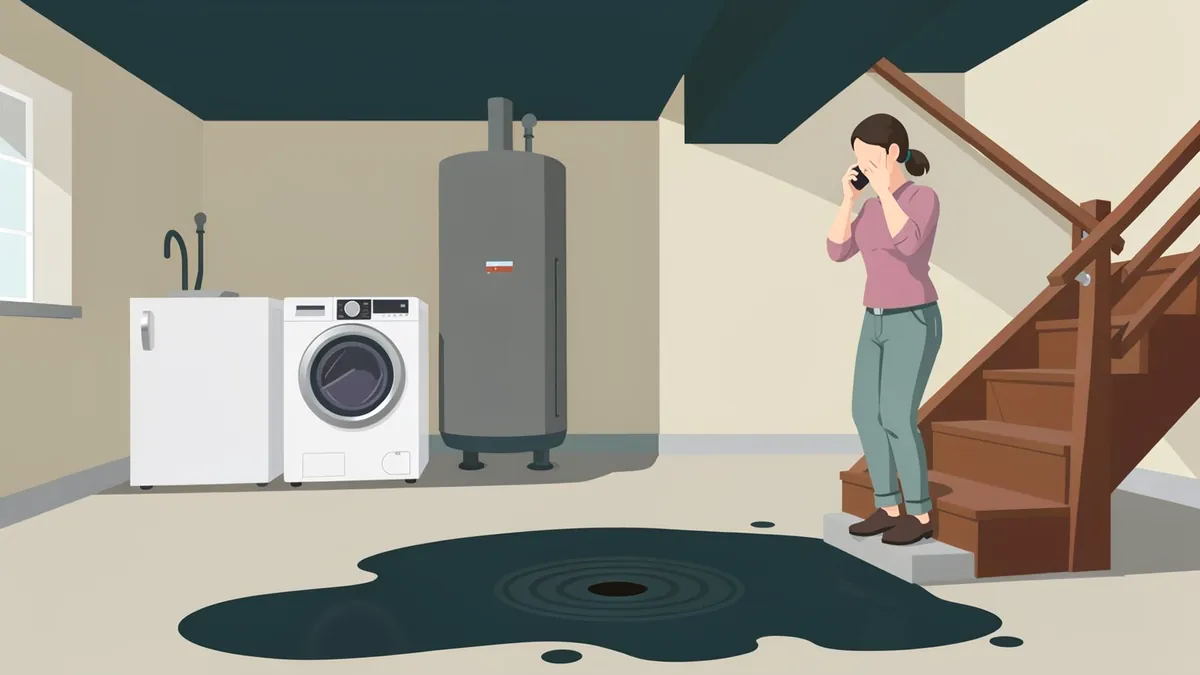
Georgia Sewer handles emergency calls with the same diagnosis-first approach as scheduled work. Restoring flow or controlling a leak comes first, then the line is checked so the next recommendation rests on what was found rather than on the pressure of the moment.
Common Problems & Warning Signs
Emergencies usually announce themselves clearly. What matters is reading the pattern, because it tells you whom to call and what to do in the meantime.
- Sewage rising at the lowest drain. A basement floor drain, lower-level shower or tub filling with dirty water while fixtures run elsewhere usually means the main line is blocked. Every flush and load of laundry adds to it, and Gwinnett County's backup procedure recommends stopping washing machines, dishwashers and showers until a backup is cleared (Gwinnett DWR procedure).
- Toilets and drains backing up together. Fixtures on different floors acting up at the same time point to the main line rather than one drain; signs of a main sewer line clog explains the pattern.
- Sewage outside, at a cleanout, a manhole or the street. The blockage may be beyond your property. Atlanta's Department of Watershed Management lists sewer overflows, ruptured sewer lines and sinkholes among the sewer emergencies to report to it (Atlanta DWM).
- Backups during heavy rain. Stormwater in the sewer can push sewage out of a home's lowest openings; why drains back up when it rains explains how. Fixtures on a floor below the cover of the next upstream manhole must be protected by a backwater valve under the plumbing code (International Plumbing Code, Section 714.1), and the backwater valve guide covers the details.
- A burst or gushing water service line. Water pooling or running in the yard, a sudden drop in pressure or no water at all can mean the line from the meter has failed.
Sewage is a health hazard as well as a mess: EPA notes that raw sewage carries bacteria, viruses, protozoa and other organisms that can cause illness (EPA). The CDC advises keeping children and pets away from affected areas and wearing rubber boots, rubber gloves and goggles when sewage is involved (CDC), and turning off power at the main breaker only if the panel can be reached without stepping into standing water (CDC). If the home has gas service and you smell rotten eggs, treat it as a possible gas leak: leave, then call 911 or the gas company from a safe place (Atlanta Gas Light).
Emergency service fits active backups, overflows, loss of drainage and active water-line leaks. One slow sink or tub isn't an emergency, and scheduled drain cleaning is the better fit.
A Diagnosis-First Approach
An emergency compresses the timeline, not the logic. Inspection, cleaning, repair, excavation and replacement stay separate, and the objective in the moment is the safest practical step that controls the immediate drainage or leak problem. After that, access, pipe material, routing, depth and earlier repairs shape what comes next, and nothing beyond the immediate fix should be decided under pressure.
What the Service Visit Can Include
- Triage by phone. Which fixtures are affected, whether sewage is still rising, whether neighbors have the same problem, whether the home is on septic, and whether anything was poured down the drains.
- Making the area safe. Water use stopped, people and pets kept away, and electrical hazards noted before anyone works in a wet room.
- The access point. A cleanout is opened only by the technician, because a cleanout on a blocked line can be full of sewage.
- Restoring flow. A cable machine sized to the line, or jetting when grease is the cause. For a yard line, Atlanta Gas Light's guidance to locate utilities and use a camera before mechanical cutting still applies.
- For a water-line emergency. Shutting off the supply at the house's main valve, finding the leak and planning the repair.
- What comes next. A camera look once the line flows, a written scope for any further work, and the photos and records an insurer or utility may ask for. EPA advises calling in a professional experienced with buildings damaged by contaminated water when sewage caused the damage (EPA), so cleanup and drying are a separate job from clearing the line.
Who Owns Which Pipe in Metro Atlanta
In an emergency, knowing whose pipe is involved decides the first call. Gwinnett County treats every reported sewer backup as an emergency for its own crews and starts by checking the flow in the manholes upstream and downstream of the property (Gwinnett DWR procedure). Fulton County leaves the lateral to the owner and helps remove a blockage in the right-of-way only when there is a serious public health threat, the owner's plumber is present and the owner signs a release (Fulton County flyer). Cobb County Water System reserves its emergency dispatch line for sewer backups in a home or street and for broken water lines (Cobb County). Our emergency service pages for individual cities add local details, the metro Atlanta sewer directory covers every community within 45 miles of Atlanta, and the north metro unclogging guide shows which providers there want the first call.
Emergency Situations
Active sewage backup, overflowing drains, a sudden loss of drainage or an active underground water-line leak all call for faster attention than a scheduled visit. Call (404) 482-2527 and describe the active condition: what is overflowing or leaking, where, how much, and whether it is still flowing, so the request can be prioritized correctly. If sewage is spilling outdoors or neighbors are affected, report it to your sewer provider as well, and if water is gushing in the street or the meter box, call the water utility. The sewer backup guide covers cleanup safety step by step.
Estimates and Site Conditions
Emergency work can't be priced responsibly from a web page, and an urgent situation is exactly when a clear scope matters most. Before work begins, the scope should say what the first visit covers, the access point, the exclusions and how unexpected conditions will be handled. Cost drivers include the time of the call, the access point, what is causing the problem, the equipment needed to restore flow, whether jetting or a camera follows, and whether a broken pipe turns the visit into a repair. Cleanup and restoration of the building are usually a separate cost, and the Insurance Information Institute says sewer backups aren't covered by a typical homeowners policy unless that coverage was bought as an endorsement or separate product (III); the insurance guide explains the details.
Request Emergency Sewer & Drain Service
For emergency sewer and drain service in metro Atlanta and surrounding Georgia communities, call (404) 482-2527 and describe what is happening.
Frequently Asked Questions
What counts as a sewer or drain emergency?
Sewage coming up inside the house, several toilets and drains backing up at once, a fixture that keeps overflowing, sewage spilling from a cleanout, or an underground water line leaking hard enough to flood the yard or cut off water. A single slow drain is usually not an emergency.
Can you give an exact price before seeing the property?
Not responsibly, and that matters even more in an emergency. The cost depends on the access point, what is blocking or broken, the equipment needed to restore flow, the time of the call and whether follow-up inspection or repair is needed. Ask what the first visit covers before work begins.
Do you provide emergency service?
Emergency requests can be prioritized for active backups, overflows, loss of service and conditions that can cause additional property damage. Call (404) 482-2527 and describe what is happening, where it is happening and whether water or sewage is actively flowing.
Should I call my sewer provider or a plumber first?
Call the provider first if neighbors have the same problem, a manhole is overflowing or sewage is spilling near the street. If only your house is affected, many providers expect the owner's plumber to handle the private line, although some check their own section as soon as a backup is reported.
What should I do while waiting for help?
Stop all water use, keep children and pets away, stay out of standing water if outlets or appliances may be wet, and photograph the damage before anything is moved. Leave cleanout caps closed and skip chemical drain openers.
Will every problem require excavation or replacement?
No. Many emergencies end with the line cleared and a camera look to follow. Cleaning, inspection, targeted repair, excavation and replacement are different scopes, and the recommendation should follow the condition that is actually confirmed.
Learn More Before You Call



All articles by service: Sewer & Drain Advice Hub.
Emergency Sewer & Drain Service Service Areas
These city pages add the local rules that apply there — who owns which part of the line, how the utility handles a reported problem, and who issues permits. Every city we serve is listed under service areas.
- Acworth
- Alpharetta
- Atlanta
- Austell
- Canton
- Cartersville
- College Park
- Cumming
- Dallas
- Decatur
- Doraville
- Douglasville
- Duluth
- Dunwoody
- Ellenwood
- Emerson
- Hiram
- Holly Springs
- Johns Creek
- Jonesboro
- Kennesaw
- Lake City
- Lawrenceville
- Lilburn
- Lithia Springs
- Lithonia
- Mableton
- Marietta
- McDonough
- Milton
- Norcross
- Powder Springs
- Rex
- Riverdale
- Roswell
- Sandy Springs
- Smyrna
- Stone Mountain
- Suwanee
- Tucker
- Union City
- Vinings
- Woodstock
Need emergency sewer and drain service?
Call and describe what is happening, where, and since when. The service is selected from the condition found.
Georgia Sewer — Drain & Sewer Specialists · Operated by Alpha Plumbing and Sewer, LLC