Root Intrusion Removal in Metro Atlanta, GA
Root intrusion removal clears tree and shrub roots that have grown into a sewer line through joints, cracks or failed sections. Roots don't break into sound pipe on day one; they find small openings, move in and gradually fill the pipe with a mat that catches grease, paper and debris.
Georgia Sewer — Drain & Sewer Specialists · Operated by Alpha Plumbing and Sewer, LLC
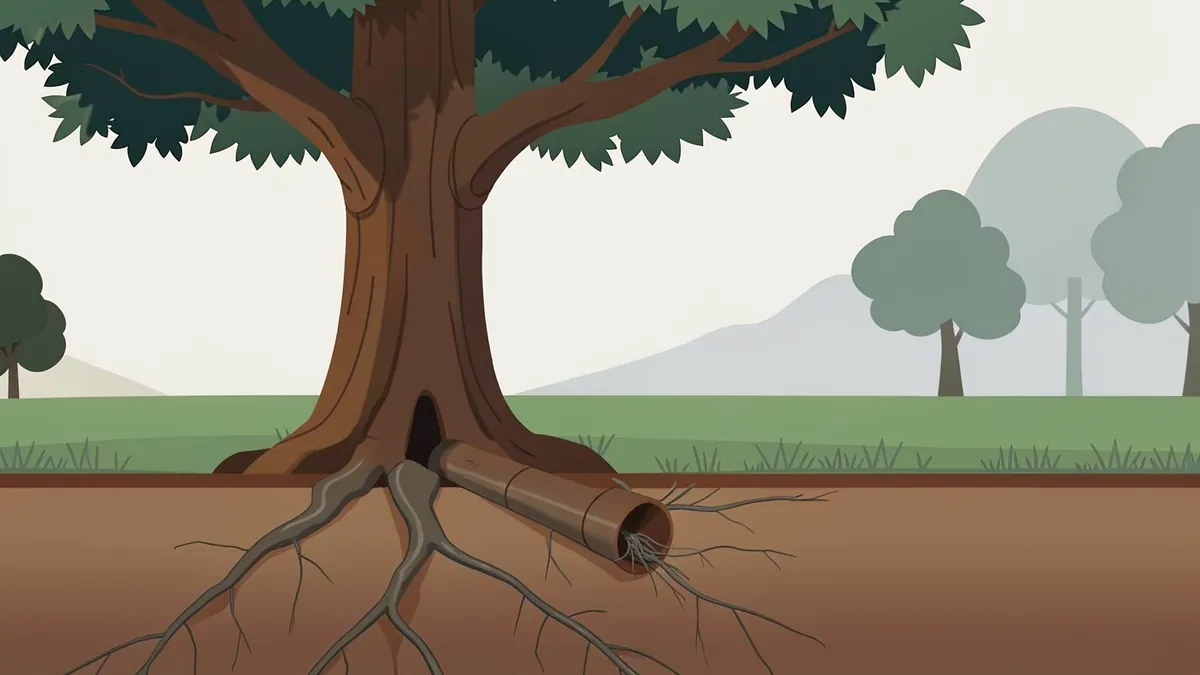
Georgia Sewer removes the roots that can be reached and, just as important, documents where they got in. That second part decides whether scheduled cleaning is enough or the entry point needs repair.
Common Problems & Warning Signs
Root problems build slowly, and the early signs are easy to blame on something else.
- Gurgling toilets and wet spots around floor drains after laundry. The sewer department in Traverse City, Michigan, names these as the first signs homeowners notice as a root-filled line starts to slow (City of Traverse City).
- Backups that come back months after cleaning. Roots that were cut regrow through the same opening, and a shrinking interval between cleanings is a sign the entry point deserves a closer look. Gwinnett County's backup procedure says most reported backups have historically been in the private part of the lateral, with roots entering at the joint between the 4-inch private pipe and the county's 6-inch stub as the most common cause (Gwinnett DWR procedure).
- Trees or large shrubs near the sewer route. Traverse City explains that warm water in the pipe lets vapor escape into cooler soil, that roots follow it to cracks and loose joints, and that tree roots can extend up to 2.5 times the height of the tree. Roots need oxygen, so they grow in the space above the water inside the pipe.
- Older clay or fiber pipe. The same department says clay tile pipe was easily penetrated by roots, while PVC resists them better because it has fewer, tighter joints. The pipe materials guide explains how to tell what you have.
- Root fibers on the cable. When a cable brings back stringy root material, roots are confirmed even before the camera goes in.
Grease and wipes can cause the same slow drains, so the camera is what separates a root blockage from other buildup, and the checklist in signs of a main sewer line clog helps narrow things down beforehand.
Root removal fits roots entering through joints in pipe that is otherwise intact. It isn't enough when roots have cracked, separated or broken the pipe, because cutting doesn't close the opening; Traverse City notes that growing roots exert considerable pressure at the joint and can break the pipe and lead to collapse. In those cases sewer line repair or sewer line replacement is the lasting fix, and the repair options guide compares the methods for sealing or replacing a root-damaged section. Root-control chemicals are a separate subject: they are pesticides with legally binding labels (EPA-accepted product label), and the tree roots guide explains the rules that come with them.
A Diagnosis-First Approach
Root removal is a cleaning scope, and we keep it separate from inspection, repair, excavation and replacement. The objective is removing accessible root intrusion and identifying the defect that allowed it in. The pipe's material and condition, the tools it can safely take, its depth and earlier repairs all shape the plan.
What the Service Visit Can Include
- A camera look. Video confirms the roots, shows how many entry points there are and how far each sits from the access point, and gives an early read on pipe condition; see the camera inspection guide.
- Utilities first for a yard line. Atlanta Gas Light discourages using a mechanical rotary device on a yard sewer line without first locating utilities or inspecting the line with a camera, because a gas pipe bored through a sewer line can be damaged (Atlanta Gas Light).
- The right cutting equipment. Traverse City's sewer department lists augers, root saws and high-pressure flushers as the common tools. Machine choice matters: one drum machine's manual states plainly that it is not designed to remove root blockages (RIDGID K-400 manual).
- Flushing the debris. Cut root mass is flushed downstream, and hydro jetting may follow to scour remaining fibers off the pipe wall.
- A second camera pass. Footage after cutting shows the joints themselves, which is where cracks and separations become visible.
- A recommendation. Scheduled cleaning, a targeted repair at the entry points or a larger scope, with the video to back it up.
Who Owns Which Pipe in Metro Atlanta
Roots don't respect property lines, and providers assign the consequences differently. Gwinnett County holds the owner responsible for repair costs when material from the private lateral, including roots growing into it, damages the public sewer (Gwinnett DWR procedure). Marietta's Water and Sewer Department says nearly all service-line blockages come from material entering the sewer from the building or from roots of trees and shrubbery near the line on private property, and that removing the blockage is the owner's job even in the right-of-way (Marietta FAQ). The Clayton County Water Authority illustrates a backup caused by a blockage at the connection where a customer's 4-inch lateral meets its 6-inch line (CCWA). Our root removal pages for individual cities add local information, and the metro Atlanta sewer directory shows the provider serving each community within 45 miles of Atlanta.
Emergency Situations
A root blockage can go from slow drains to sewage at the lowest fixture in a single afternoon, often when the washer or several showers run back to back. Stop using water, keep people out of the affected room and call (404) 482-2527, describing which fixtures are backing up so the request can be prioritized correctly. Clearing the line comes first; the camera and the longer-term decision follow.
Estimates and Site Conditions
Root work can't be priced responsibly from a generic web page. The written scope should describe the cleaning and inspection proposed, the access point, the exclusions and how unexpected conditions, such as a broken section discovered mid-job, will be handled. Cost follows the amount of root mass, the number of entry points, the length of the run and the access point, the equipment the pipe can safely take, whether jetting follows the cutting, camera footage before and after, and how often the line will likely need cleaning if repair is put off. Planting decisions affect the future too: UGA Extension's general recommendation is to keep trees and plants with aggressive root systems away from septic and sewer lines (UGA Extension).
Request Root Intrusion Removal
For root intrusion removal in metro Atlanta and the surrounding Georgia service areas, call (404) 482-2527 or reach us through the contact page.
Frequently Asked Questions
How do I know whether I need root intrusion removal?
Roots are a likely cause when a main line slows or backs up again months after cleaning, when the cable comes back with fibrous root material, or when large trees and shrubs grow near the sewer route. A camera confirms the roots and shows the joints or cracks they are using.
Can you give an exact price before seeing the property?
No. The work depends on how much root mass is in the line, how many entry points there are, the length of the run and the access point, which tools the pipe can safely take, and whether camera footage before and after is part of the job.
Why do roots keep coming back after cleaning?
Cutting removes the roots inside the pipe but leaves the crack or loose joint they came through, and the roots outside keep growing toward the moisture. Until that opening is repaired, regrowth is expected, so the real question is how often to clean versus when to repair.
Should I choose root cutting or sewer line repair?
Cutting fits roots entering through joints in otherwise sound pipe, usually on a schedule. Repair fits when the camera shows cracked, separated or broken pipe at the entry points, or when the time between cleanings keeps getting shorter.
Can roots crack or collapse a sewer pipe?
Yes. As roots inside a joint grow, they press on the opening they entered through and can break the pipe or contribute to a collapse. That is one reason a camera look belongs in every root job.
Do you provide emergency sewer root removal?
Emergency requests can be prioritized when a root blockage causes an active backup. Call (404) 482-2527. The first goal is restoring flow, and the follow-up decision rests on what the camera shows.
Learn More Before You Call
All articles by service: Sewer & Drain Advice Hub.
Root Intrusion Removal Service Areas
These city pages add the local rules that apply there — who owns which part of the line, how the utility handles a reported problem, and who issues permits. Every city we serve is listed under service areas.
- Acworth
- Alpharetta
- Atlanta
- Austell
- Canton
- Cartersville
- College Park
- Cumming
- Dallas
- Decatur
- Doraville
- Douglasville
- Duluth
- Dunwoody
- Ellenwood
- Emerson
- Hiram
- Holly Springs
- Johns Creek
- Jonesboro
- Kennesaw
- Lake City
- Lawrenceville
- Lilburn
- Lithia Springs
- Lithonia
- Mableton
- Marietta
- McDonough
- Milton
- Norcross
- Powder Springs
- Rex
- Riverdale
- Roswell
- Sandy Springs
- Smyrna
- Stone Mountain
- Suwanee
- Tucker
- Union City
- Vinings
- Woodstock
Need root intrusion removal?
Call and describe what is happening, where, and since when. The service is selected from the condition found.
Georgia Sewer — Drain & Sewer Specialists · Operated by Alpha Plumbing and Sewer, LLC