Sewer Excavation in Metro Atlanta, GA
Sewer excavation is the work of digging down to a buried sewer pipe when the defect can't be reached any other practical way. It is the step that makes a repair or replacement possible, and it is also where most of the cost, disruption and safety risk of a sewer job sits.
Georgia Sewer — Drain & Sewer Specialists · Operated by Alpha Plumbing and Sewer, LLC
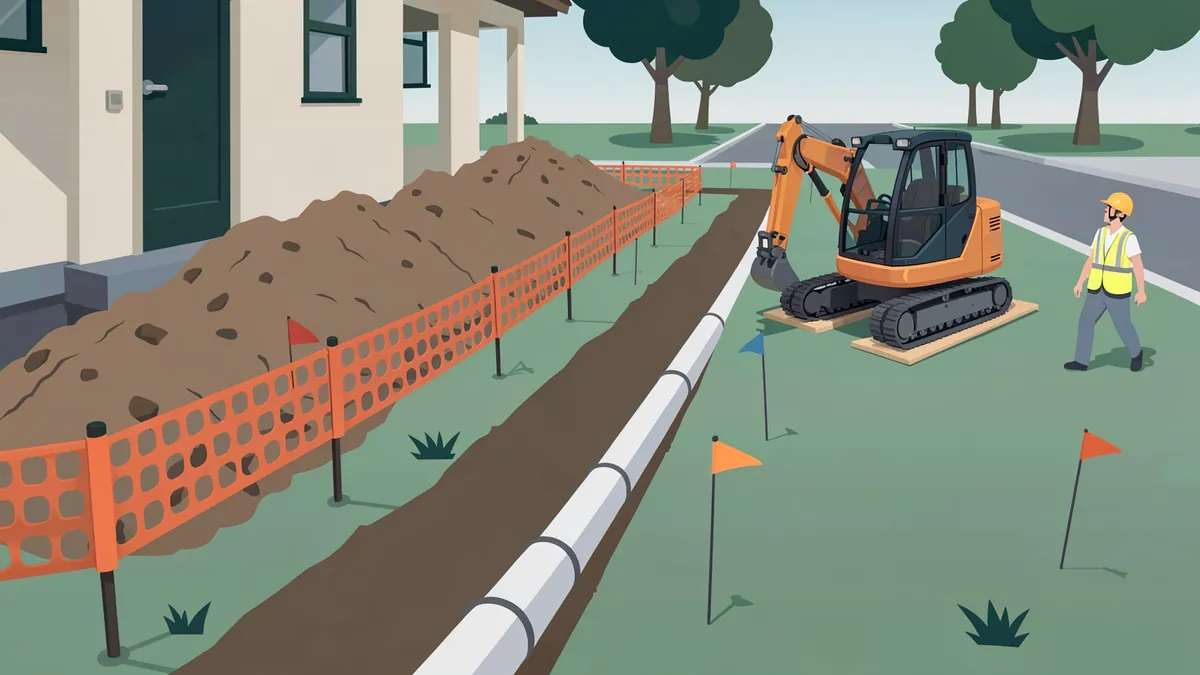
Georgia Sewer plans excavation around evidence and site conditions: where the defect is, how deep the pipe runs, which other utilities share the ground and who controls the land above it. The goal is a controlled opening sized to the job, not a trench across the yard by default.
Common Problems & Warning Signs
Excavation is rarely the first thing anyone recommends. It usually follows one of these findings.
- A camera that stops at a collapse. When the camera can't pass a section, or shows broken pipe with soil visible behind it, no cleaning tool will restore the line.
- A separated or broken section that has been located. Pipe that has pulled apart, cracked through or been crushed has to be exposed and replaced. Cobb County Water System, describing work on its own mains, says defects at discrete points along a sewer line require direct excavation to expose the pipe (Cobb County).
- A sag that holds sewage. A belly can be cleaned out, but it refills, and correcting the slope means re-laying that section.
- Ground changes over the line. A depression, a sinkhole or a wet, smelly patch over the sewer route can mean leaking pipe and washed-out soil. Atlanta's Department of Watershed Management lists ruptured sewer lines and sinkholes among the sewer emergencies to report to it (Atlanta DWM). Washed-out soil can leave a void under turf or pavement, so people and vehicles should stay off a sinking spot.
- Deep or hard-to-reach lines. Pipes under driveways, patios, retaining walls or large trees need extra planning even when the defect itself is small.
- Work that can't be done from inside the pipe. Adding a missing cleanout, reconnecting a lateral that has pulled away at the house, or moving a section away from another buried utility all require open access to the pipe, whatever its condition.
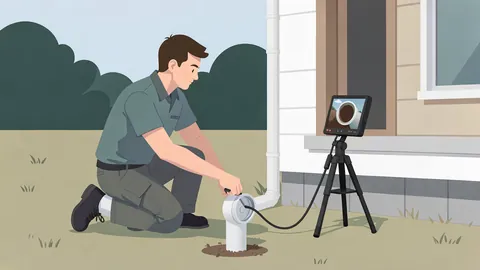
Before anyone digs, the location has to be pinned down. A sonde mark gives the spot and a depth reading, but one locator maker's manual cautions that depth readings are estimates to be verified by exposing the line before digging (RIDGID Scout manual). The sewer camera inspection guide explains what the video should show before a dig is planned.
Excavation fits a located, confirmed defect that cleaning can't fix. It doesn't fit a blockage that cleaning can clear, a defect in a right-of-way where the provider controls the digging, or a line that is a candidate for lining or bursting, a separate topic covered in the repair options guide. The work done once the pipe is exposed is described under sewer line repair and sewer line replacement.
A Diagnosis-First Approach
Excavation creates access; it isn't a diagnosis or a repair in itself, and we keep it separate from inspection, cleaning, repair and replacement. The objective is controlled excavation based on utility locations, depth, access and site conditions. The pipe's material and route, earlier repairs and whatever sits above the line can each change where and how the opening is made.
What the Service Visit Can Include
- Pinpointing the dig. Camera distance, a sonde mark and an approximate depth, checked against the route of the line.
- Who may dig there. If the spot is in the right-of-way or an easement, the sewer provider's rules come first (see below), and work on public property usually needs its own permit.
- Locates. Georgia's dig law requires a locate request through Georgia 811 before anyone excavates with mechanized equipment, and within 18 inches of either side of a marked line it calls for careful methods such as hand digging or vacuum excavation (Georgia 811). Georgia 811 asks for tickets at least three business days ahead (Georgia 811), and its members mark only public lines; the private sewer and the water line from the meter need a private locator (Georgia 811).
- A protected trench. OSHA requires a protective system such as sloping, shoring or shielding for trenches 5 feet deep or more, an engineer-designed system at 20 feet, spoil kept at least 2 feet back from the edge, and inspections at the start of each shift and after rainstorms (OSHA).
- Inspection before backfill. Georgia's amendments to the plumbing code keep a building sewer trench open until the piping is inspected, tested and approved, then call for rock-free backfill tamped in 6-inch layers (Georgia DCA).
- Restoration as written. Backfill, compaction and surface restoration as defined in the scope.
Who Owns Which Pipe in Metro Atlanta
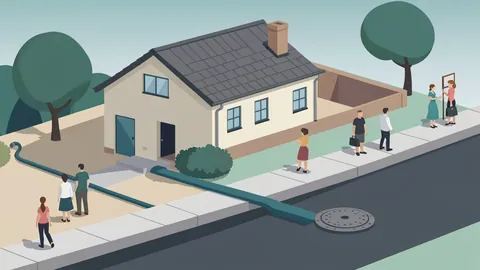
Who may dig near the street depends on the sewer provider. Gwinnett County's procedure says plumbers and contractors hired by an owner shall not cut or otherwise excavate into the right-of-way, and county staff must see the excavated lateral before a repair if the owner wants to seek reimbursement (Gwinnett DWR procedure). In Fulton County, only the county or a county-approved contractor may repair a lateral or install a cleanout in the right-of-way or a county easement, and the owner pays the set fee before work starts (Fulton County flyer). Marietta's Water and Sewer Department repairs a service line inside the public right-of-way or its easement when pipe failure there is the suspected cause of a blockage (Marietta FAQ). Our sewer excavation pages for individual cities add local notes, the metro Atlanta sewer directory lists the provider and permit office for every community within 45 miles of Atlanta, and the ownership guide explains where each major provider's section begins.
Emergency Situations
An open excavation, a collapsed line causing a backup, or a sinkhole forming over the pipe is a safety problem as well as a plumbing one. Keep children, pets and vehicles away, stop using water in the house and call (404) 482-2527, describing what you see so the request can be prioritized correctly. If digging ever exposes or damages a gas line, or you smell rotten eggs, Atlanta Gas Light's instructions are to leave the area at once without using anything that could make a spark and to call 911 or the gas company from a safe place (Atlanta Gas Light).
Estimates and Site Conditions
Excavation pricing can't be set responsibly from a generic web page. Before any digging starts, the proposal should spell out the size and location of the opening, the access expected, what is excluded and what happens if the ground holds surprises. For sewer excavation, the main cost drivers are depth and whether cave-in protection is needed, the length and width of the opening, what has to be cut or removed at the surface, soil, rock and groundwater, other utilities crossing the trench, permits and right-of-way requirements, inspection scheduling, weather and the restoration included. The north metro excavation guide lists permit offices and street-cut rules for individual cities.
Request Sewer Excavation
For sewer excavation in metro Atlanta and surrounding Georgia communities, call (404) 482-2527 or use the contact page.
Frequently Asked Questions
How do I know whether I need sewer excavation?
Excavation is the right step when a buried defect has been located and confirmed and nothing less invasive can fix it: a collapse the camera can't pass, a separated or broken section, or a sag that has to be re-laid. Symptoms alone call for an inspection first.
Can you give an exact price before seeing the property?
No. Excavation cost depends on depth, the size of the opening, what has to be cut through or removed, soil, rock and groundwater, other buried utilities, permits and inspections, and the restoration included. The written scope should define each of these.
How much of the yard will need to be excavated?
That depends on the defect location, pipe depth, utility conflicts, safe access and the repair method. The excavation area should be defined from site findings rather than promised from a generic service description.
Who requests the 811 locate before digging?
The locate request is part of the excavation work and should be in place before any machine digging starts. Ask for the ticket number, and keep in mind that the public utilities don't mark private lines such as your own sewer and water service.
What restoration is included after excavation?
Restoration is part of the written scope, not an assumption. The proposal should say how the trench will be backfilled and compacted, what happens to lawn, driveway, walkway or plantings, and what is excluded.
Do you provide emergency sewer excavation?
Emergency requests can be prioritized when a collapsed or broken line causes an active backup or sewage is surfacing. Call (404) 482-2527. Even in an emergency, buried utilities and trench safety still have to be dealt with before and during the dig.
Learn More Before You Call
All articles by service: Sewer & Drain Advice Hub.
Sewer Excavation Service Areas
These city pages add the local rules that apply there — who owns which part of the line, how the utility handles a reported problem, and who issues permits. Every city we serve is listed under service areas.
- Acworth
- Alpharetta
- Atlanta
- Austell
- Canton
- Cartersville
- College Park
- Cumming
- Dallas
- Decatur
- Doraville
- Douglasville
- Duluth
- Dunwoody
- Ellenwood
- Emerson
- Hiram
- Holly Springs
- Johns Creek
- Jonesboro
- Kennesaw
- Lake City
- Lawrenceville
- Lilburn
- Lithia Springs
- Lithonia
- Mableton
- Marietta
- McDonough
- Milton
- Norcross
- Powder Springs
- Rex
- Riverdale
- Roswell
- Sandy Springs
- Smyrna
- Stone Mountain
- Suwanee
- Tucker
- Union City
- Vinings
- Woodstock
Need sewer excavation?
Call and describe what is happening, where, and since when. The service is selected from the condition found.
Georgia Sewer — Drain & Sewer Specialists · Operated by Alpha Plumbing and Sewer, LLC