Sewer Cleanout Installation & Repair in Metro Atlanta, GA
A sewer cleanout is a capped pipe that opens into the building drain or sewer line so it can be inspected, cleaned or cleared. It is the front door for nearly every main-line service: with a usable cleanout, a technician can run a cable, a jetter or a camera without pulling a toilet or climbing onto the roof.
Georgia Sewer — Drain & Sewer Specialists · Operated by Alpha Plumbing and Sewer, LLC

Georgia Sewer installs cleanouts where a line has none, repairs or replaces damaged caps and risers, and raises or relocates cleanouts that have been buried or paved over. The work starts with finding the line and deciding where an access point will actually help.
Common Problems & Warning Signs
Cleanout problems tend to surface at the worst moment, when a line is backing up and nobody can find the way in. These are the common ones.
- No cleanout anyone can find. Atlanta's 311 service says that in homes built within the last 45 years, the cleanout is usually near the front of the house, under the basement floor where the drain exits, and that it can also sit outside under several centimeters of soil (ATL311). Older lines may simply have none. The cleanout location guide shows where to look.
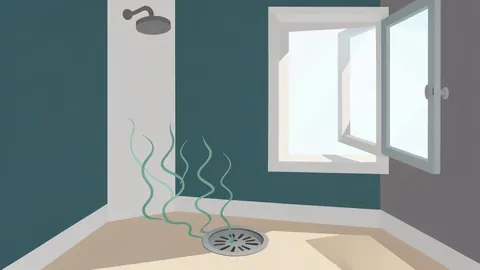
- A cracked, missing or loose cap. The Clayton County Water Authority warns that broken cleanout caps can let stormwater into the sewer and lead to an overflow, and notes that replacement caps are sold at home improvement stores (CCWA). An open cleanout can also let sewer odor out; see the sewer gas guide.
- A riser broken by a mower, a vehicle or settling soil. A cracked riser can let soil, water and debris into the line and keeps the cap from sealing.
- A cleanout buried, paved over or boxed in. The plumbing code calls for at least 18 inches of clear space in front of cleanouts on pipe 6 inches and smaller, and bars covering cleanout plugs with mortar, plaster or any other permanent material (International Plumbing Code, Section 708).
- A cleanout seeping or full of sewage. That isn't a cleanout defect; it means the line is blocked somewhere beyond it. Gwinnett County's investigators read the right-of-way cleanout exactly that way, as a gauge of whether the county's stub is backed up (Gwinnett DWR procedure). Leave the cap on and treat it as a main line problem.
Georgia's amendments to the plumbing code call for a cleanout at or near the junction of the building drain and the building sewer, outside the wall unless otherwise approved and brought up to finished ground level, plus an additional cleanout within 10 feet of the public right-of-way (Georgia DCA). Under Georgia's dig law, a sewer cleanout within 10 feet of the public right-of-way also counts as a permanent marker of where the line runs (Georgia 811).
Cleanout installation and repair fit missing, damaged, inaccessible or poorly placed access points. A cleanout that is overflowing during a backup needs main sewer line cleaning first, and a cleanout near the street may be the sewer provider's to install or maintain.
A Diagnosis-First Approach
A cleanout is an access point, not a cure, so we treat it as its own scope next to inspection, cleaning, repair, excavation and replacement. The objective is installing or repairing a cleanout when it improves safe service access. The line's route, depth and material, earlier repairs and the surface above it decide where a new cleanout can go and how much work it takes.
What the Service Visit Can Include
- Finding the line. If no cleanout is visible, the route and depth are traced with a camera and sonde run from inside the house or from a pulled toilet.
- Choosing the location. Near the junction of the building drain and building sewer, near the right-of-way, or at a bend; the code also calls for a cleanout where a building sewer changes direction by more than 45 degrees (International Plumbing Code, Section 708.1.4).
- Permits, provider rules and locates. The building department's permit process, the sewer provider's rules for anything near the street, and a Georgia 811 ticket plus a private locate before digging.
- The installation. A small excavation down to the pipe, a cleanout fitting set into the line and a riser brought up to grade with a cap, plus a protective box where traffic or mowing could damage it.
- Cap and riser repairs. Replacing a cracked or missing cap or plug, or a broken riser, and checking that the cap seals.
- A test and a look. Water run through the line, and a camera run when the new access point is meant to support future inspections.
Who Owns Which Pipe in Metro Atlanta
Cleanouts near the street are where ownership rules matter most. Gwinnett County requires a cleanout on the lateral at the right-of-way, maintains that one itself and leaves any cleanout closer to the house to the homeowner (Gwinnett DWR); when none exists and one is needed to locate a blockage, the county installs it at its own expense on the owner's request (Gwinnett DWR procedure). In Fulton County, only the county or a county-approved contractor may install a cleanout in the right-of-way or a county easement, at the owner's cost (Fulton County flyer). DeKalb County's sewer overflow response plan directs crews who find no property-line cleanout to advise the owner of the code violation so one can be installed (DeKalb County). City-by-city details are on our cleanout service-area pages, and the metro Atlanta sewer directory lists the sewer provider for every community within 45 miles of Atlanta.
Emergency Situations
A cleanout that is overflowing, a cap pushed off by a backup, or sewage pooling around a cleanout near the street needs attention before more water goes down the drains. Stop water use in the house, keep people and pets away from the spill and call (404) 482-2527 with a description of where the sewage is coming from; if the overflowing cleanout belongs to the utility, report it to your sewer provider as well. The Cherokee County Water and Sewerage Authority advises against opening a cleanout to let sewage run out onto the ground, which creates problems of its own (CCWSA).
Estimates and Site Conditions
Cleanout pricing can't be fixed responsibly from a generic web page. The proposal should say what is being installed or repaired and where, the access expected, what is excluded and how unexpected conditions will be handled. The main cost drivers are the type of job (a cap, a riser or a new cleanout), the depth of the line at the chosen spot, the surface above it (lawn, mulch, concrete or a driveway), the pipe size and material, whether the line has to be located first, permit requirements, provider rules for work near the street, and any protective box or cover. The ownership guide explains who maintains street-side cleanouts for the larger providers, and why drains back up when it rains shows why an intact cap matters in storms.
Request Sewer Cleanout Installation & Repair
For sewer cleanout installation or repair in metro Atlanta and nearby Georgia communities, call (404) 482-2527 or use the contact page.
Frequently Asked Questions
How do I know whether I need sewer cleanout installation or repair?
The usual signs are a cleanout nobody can find, a cap that is cracked, missing or loose, a riser broken by a mower or vehicle, or a cleanout buried under mulch, soil or paving. If every service call has to start with pulling a toilet or climbing on the roof, an outdoor cleanout is worth discussing.
Can you give an exact price before seeing the property?
No. It depends on whether the job is a cap, a riser or a new cleanout, how deep the line runs, where the cleanout has to go, what covers that spot, the pipe size and material, and any permit or provider requirement. Those details belong in the written scope.
Can I open my cleanout during a backup?
It is safer not to. On a blocked line the cleanout pipe can be full of sewage that spills out when the cap comes off. Leave it to the technician or the utility crew, and keep people and pets away from the area.
Does Georgia's plumbing code require an outdoor cleanout?
Georgia's amendments call for a cleanout at or near the junction of the building drain and building sewer, brought up to finished grade, and an additional cleanout within 10 feet of the public right-of-way. Many older lines predate those rules and lack one or both.
Does adding a cleanout mean digging up the yard?
It means a small excavation at the chosen spot, deep enough to reach the line and set the fitting and riser. The size of the hole depends on how deep the pipe is and what covers it; it is not a trench along the whole line.
Do you provide emergency cleanout repair?
Emergency requests can be prioritized when a cleanout is overflowing or a broken cap is letting sewage out or stormwater in during a backup. Call (404) 482-2527 and describe what you see and where.
Learn More Before You Call



All articles by service: Sewer & Drain Advice Hub.
Sewer Cleanout Installation & Repair Service Areas
These city pages add the local rules that apply there — who owns which part of the line, how the utility handles a reported problem, and who issues permits. Every city we serve is listed under service areas.
- Acworth
- Alpharetta
- Atlanta
- Austell
- Canton
- Cartersville
- College Park
- Cumming
- Dallas
- Decatur
- Doraville
- Douglasville
- Duluth
- Dunwoody
- Ellenwood
- Emerson
- Hiram
- Holly Springs
- Johns Creek
- Jonesboro
- Kennesaw
- Lake City
- Lawrenceville
- Lilburn
- Lithia Springs
- Lithonia
- Mableton
- Marietta
- McDonough
- Milton
- Norcross
- Powder Springs
- Rex
- Riverdale
- Roswell
- Sandy Springs
- Smyrna
- Stone Mountain
- Suwanee
- Tucker
- Union City
- Vinings
- Woodstock
Need sewer cleanout work?
Call and describe what is happening, where, and since when. The service is selected from the condition found.
Georgia Sewer — Drain & Sewer Specialists · Operated by Alpha Plumbing and Sewer, LLC