Sewer Camera Inspection in Metro Atlanta, GA
A sewer camera inspection pushes a waterproof camera through the sewer line on a stiff cable and records everything it passes: joints, roots, cracks, sags that hold water, offsets and breaks. A small transmitter behind the camera head lets the technician find the same spot from the yard, so a finding on the screen becomes a mark on the ground.
Georgia Sewer — Drain & Sewer Specialists · Operated by Alpha Plumbing and Sewer, LLC
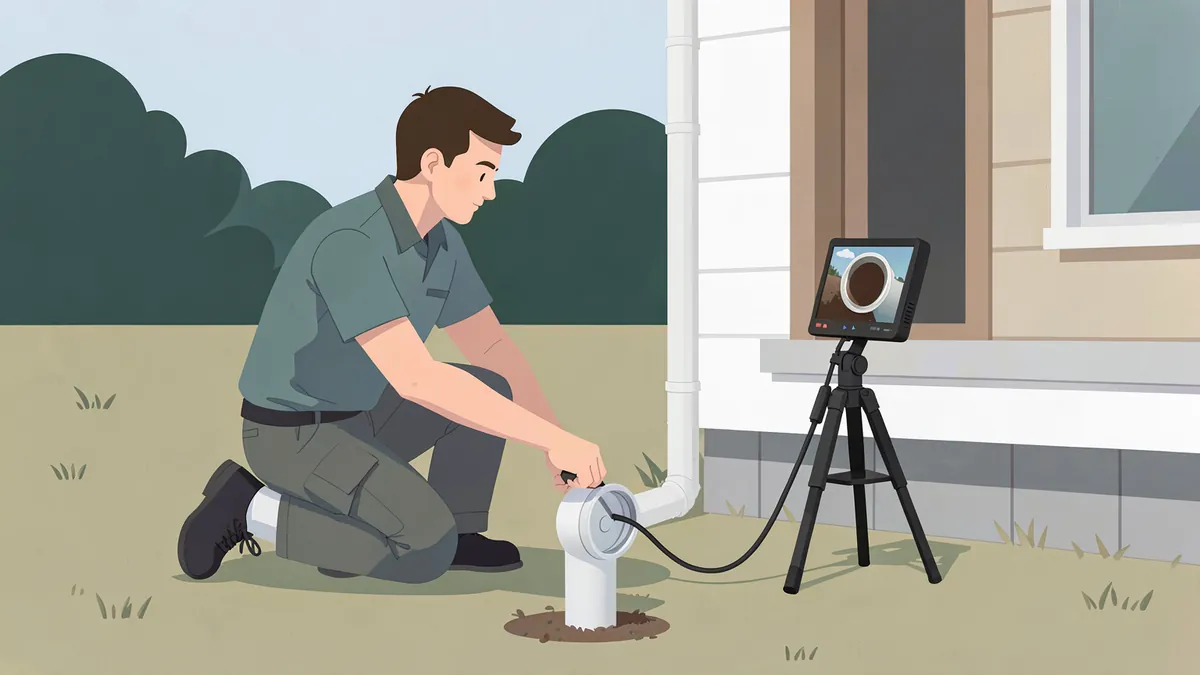
Georgia Sewer uses video inspection to answer a specific question: why a line keeps clogging, where a defect sits, or whether a repair did its job. The recording becomes the evidence behind any recommendation, and anyone else can review the same footage.
Common Problems & Warning Signs
People rarely order a sewer video inspection out of curiosity. One of these situations usually comes first.
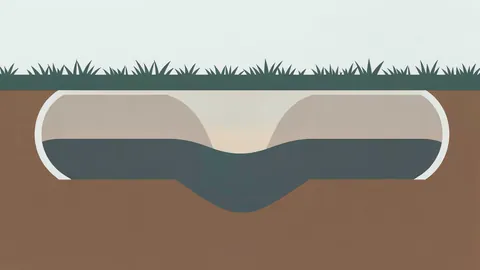
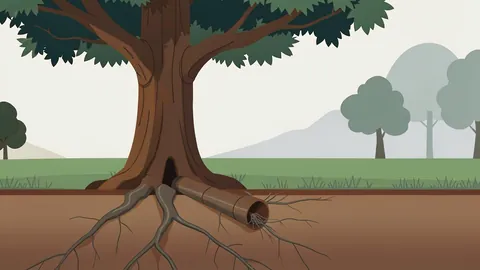
- Backups that return after cleaning. If the line clears and then clogs again within weeks or months, something in the pipe is catching debris. The usual suspects are roots at joints, a belly that holds water and waste, an offset joint, grease buildup or a break, and the camera tells them apart. Tree roots in sewer lines explains why roots in particular keep returning.
- A recommendation to dig or replace. Before approving a large repair, it is reasonable to see the defect yourself. InterNACHI's sewer scope standard lists conditions inspectors should report as needing correction, among them visible cracks, root intrusion, offsets over a quarter inch, more than an inch of standing water, and crushed, broken, separated or collapsed pipe (InterNACHI).
- Buying a home. InterNACHI says a sewer scope isn't required by its home inspection standard, although many inspectors offer one as an extra service (InterNACHI), and Gwinnett County suggests buyers consider adding a lateral inspection to the home inspection (Gwinnett DWR). The buyer's guide to sewer scopes covers timing.
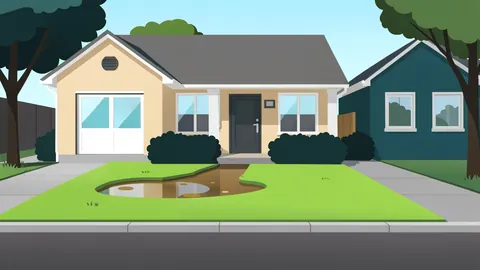
- Yard and odor clues. A soggy patch in dry weather, a sunken spot over the line or a sewer smell outdoors can point to a broken or separated pipe.
- After a repair or cleaning. Video confirms that a repaired section is sound and that a cleaned line is actually clean.
What a camera can't do matters just as much. A scope is a snapshot of one day: InterNACHI's standard calls it not technically exhaustive and says it won't identify concealed or latent defects. Water can hide the pipe floor, and EPA's fact sheet for utilities notes that inspections work best in low-flow conditions because flow can overtop the camera (EPA). Defect grades have limits too. NASSCO, which publishes the standard pipe-defect coding system, notes that its condition grades can't account for voids and other conditions outside the pipe and can't take the place of an engineer's judgment (NASSCO).
A camera inspection fits whenever the cause is unknown or a big decision rests on the pipe's condition. It doesn't clear anything, so a line that is backed up right now needs main sewer line cleaning first. The camera inspection guide lists what to ask for afterward.
A Diagnosis-First Approach
Inspection, cleaning, repair, excavation and replacement are separate jobs, and we don't let one stand in for another. The objective of a camera inspection is to document the visible condition of accessible sewer piping, so that any later cleaning or repair decision rests on what the line actually shows. Access, material, routing, depth and earlier repairs shape how far the camera can go and how the findings are read.
What the Service Visit Can Include
- An access point. InterNACHI's standard has inspectors work from a proper cleanout or a roof vent stack and note in the report when no cleanout is visible or accessible. Without either, a toilet may need to come up.
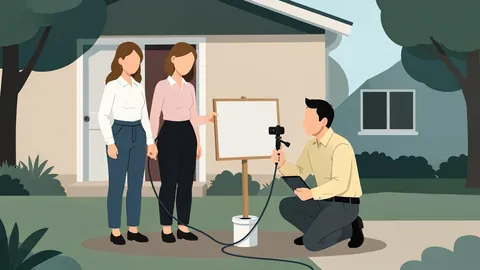
- Setup that ties the video to the property. InterNACHI's guidance for inspectors describes running water first so the camera slides and floats more easily, resetting the distance counter, and recording the access point and setup before the camera goes in. While the camera is in the pipe, everyone in the house holds off on running water.
- The run itself. The camera is pushed toward the main and paused at each defect so it is documented, and it is never forced through an obstruction. One manufacturer's standard reel, for example, handles 2- to 12-inch lines with up to 325 feet of push cable and carries a 512 Hz sonde (RIDGID).
- Locating. The sonde lets a locator find the defect from above and give a depth reading. The locator maker's manual says depth readings should be taken as estimates and verified by exposing the line before digging (RIDGID Scout manual).
- The deliverables. The full recording, a list of defects with their distances from the access point, any section that couldn't be inspected and why, and recommendations kept separate from the findings. The repair options guide explains how those findings map to repair methods.
Who Owns Which Pipe in Metro Atlanta
A camera often settles a second question: whose pipe the defect is in. That matters because the boundary differs by provider. Atlanta's 311 service says the maintenance and repair of the entire sewer service lateral is the property owner's responsibility (ATL311). In Gwinnett County, the owner's lateral runs to the edge of the right-of-way or easement and includes the joint between the 4-inch private pipe and the county's 6-inch stub when that joint lies outside it (Gwinnett DWR procedure). Cobb County Water System owns and maintains a line inside a permanent easement granted to the county, and tells owners to check their plat or deed for easement documents (Cobb County). Each of our city pages for camera inspection adds local information, and the metro Atlanta sewer directory identifies the provider for every community within 45 miles of Atlanta.
Emergency Situations
A camera can't see through a line that is full of sewage, so an active backup, an overflowing fixture or a sudden loss of drainage gets cleared first and inspected afterward. Stop using water and call (404) 482-2527, describing which fixtures are affected and whether water or sewage is still rising, so the request can be prioritized correctly.
Estimates and Site Conditions
Exact pricing and access can't responsibly be judged from a generic web page. The written scope should identify the inspection proposed, the access point, important exclusions and how unexpected conditions will be handled. For camera work, cost follows the access point (a cleanout, a roof vent or a pulled toilet), the length of line to be inspected, whether the line must be cleaned before the camera can travel, the number of separate runs, whether defects are located and marked, and the kind of written report needed. Old sewer pipe materials explains what the footage may reveal about clay, cast iron and fiber pipe.
Request Sewer Camera Inspection
To book a sewer camera inspection in metro Atlanta or a surrounding Georgia community, call (404) 482-2527 or use the contact page.
Frequently Asked Questions
How do I know whether I need a sewer camera inspection?
A camera makes sense when backups keep returning after cleaning, when someone recommends digging or replacing the line, when you are buying a house, or when the yard shows a soggy or sunken spot over the sewer. It answers why the line is failing and where, which no cleaning tool can tell you.
Can you give an exact price before seeing the property?
Not responsibly. The cost depends on the access point, the length of line to be inspected, whether the line has to be cleared before the camera can travel, whether defects are located and marked on the ground, and what kind of written report is needed.
Can a sewer camera see every defect?
No. A camera documents visible conditions in accessible piping, but standing water, heavy buildup, offsets, collapsed sections or limited access can restrict how far it travels and what it shows. Findings should be read together with the symptoms and the site conditions.
What should I have in hand after a camera inspection?
The complete recording rather than a few clips, along with written findings that give the distance to each defect and note any section the camera couldn't reach. Footage of the whole run lets a second contractor review the same evidence before any repair is approved.
Should I get a sewer scope before buying a house?
It is worth considering, because a standard home inspection doesn't cover the buried line to the public sewer. Schedule it early in the inspection period so there is time to get a repair opinion before the contract deadline.
Is a camera locate the same as calling 811?
No. A sonde shows where the sewer line and a defect are, but it doesn't mark gas, power, water or communication lines. Before anyone digs, a separate utility locate request is still needed.
Learn More Before You Call

All articles by service: Sewer & Drain Advice Hub.
Sewer Camera Inspection Service Areas
These city pages add the local rules that apply there — who owns which part of the line, how the utility handles a reported problem, and who issues permits. Every city we serve is listed under service areas.
- Acworth
- Alpharetta
- Atlanta
- Austell
- Canton
- Cartersville
- College Park
- Cumming
- Dallas
- Decatur
- Doraville
- Douglasville
- Duluth
- Dunwoody
- Ellenwood
- Emerson
- Hiram
- Holly Springs
- Johns Creek
- Jonesboro
- Kennesaw
- Lake City
- Lawrenceville
- Lilburn
- Lithia Springs
- Lithonia
- Mableton
- Marietta
- McDonough
- Milton
- Norcross
- Powder Springs
- Rex
- Riverdale
- Roswell
- Sandy Springs
- Smyrna
- Stone Mountain
- Suwanee
- Tucker
- Union City
- Vinings
- Woodstock
Need sewer camera inspection?
Call and describe what is happening, where, and since when. The service is selected from the condition found.
Georgia Sewer — Drain & Sewer Specialists · Operated by Alpha Plumbing and Sewer, LLC