Drain Cleaning in Metro Atlanta, GA
A drain that empties slowly, gurgles or stops altogether usually has a blockage somewhere between the fixture and the main sewer line. Drain cleaning clears that path, whether it runs from a kitchen sink, a tub or shower, a laundry standpipe or a basement floor drain, using a tool sized to the pipe rather than guesswork.
Georgia Sewer — Drain & Sewer Specialists · Operated by Alpha Plumbing and Sewer, LLC
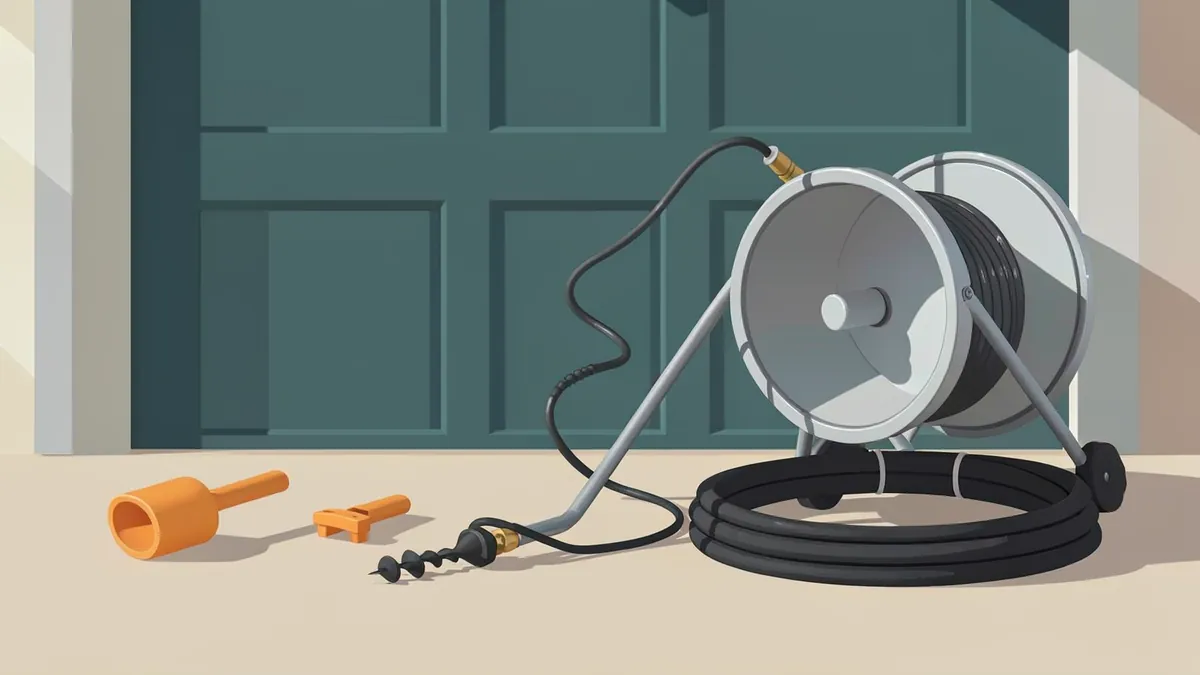
Georgia Sewer starts with the symptom and the part of the plumbing it points to. A clogged branch drain is a different job from a stoppage in the main line, so a few early questions decide which equipment is used and whether a camera belongs in the visit.
Common Problems & Warning Signs
Most clogged drains announce themselves in one of a handful of ways. Where the trouble shows up, and whether other fixtures react, says more about the cause than how bad any single drain looks.
- One slow sink, tub or shower. Hair and soap scum in bathroom drains, or food and grease in a kitchen line, usually collect in the fixture's trap or the branch pipe just past it. When every other fixture drains normally, the blockage is almost certainly local, and the steps in how to unclog a drain yourself are worth trying first.
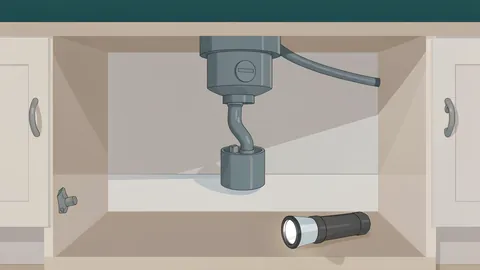
- A kitchen sink that keeps clogging. Grease is the usual suspect. Gwinnett County's water department explains that hot water and soap break oil up only for a while, and that it re-forms as the water cools, sometimes before it leaves the house plumbing (Gwinnett DWR). Cleaning reopens the line; kitchen habits keep it open. If a disposal is involved, see garbage disposal clogs.
- A floor drain or washer standpipe that overflows when the washer empties. That can be a blocked laundry branch or the first sign of a main-line stoppage. The difference is whether other fixtures respond: a toilet that gurgles or a lower shower that fills while the washer drains suggests the blockage is past the branch, and the checklist in signs of a main sewer line clog applies.
- The same drain clogging every few weeks. Something beyond the trap is catching debris, such as a sag, a broken section, an old repair or roots in a buried branch. Cleaning it again without finding that cause rarely ends the cycle; a camera look is the usual next step.
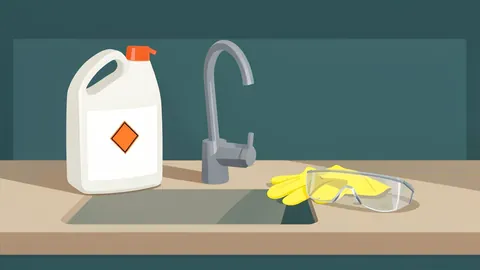
- A drain opener that didn't work. Say what was poured and keep the bottle. One drain-machine maker's manual tells operators to find out whether chemicals are present and to get the specific safety measures from the chemical's manufacturer before working (RIDGID K-400 manual). The chemical drain cleaner guide explains the hazards.
Drain cleaning fits when the blockage sits in a fixture drain or branch line that a properly sized cable can reach. It is the wrong first move when sewage rises at the lowest drain in the house, when several fixtures back up together, or when a pipe is already known to be broken. Those situations call for main sewer line cleaning, emergency service or a sewer camera inspection first.
A Diagnosis-First Approach
We treat inspection, cleaning, repair, excavation and replacement as separate decisions. For drain cleaning, the aim is to clear the affected drainage path once the cause and the access point have been evaluated. The fixture involved, the pipe's size and material, earlier repairs and whatever the cable brings back can all change the recommendation.
What the Service Visit Can Include
- Symptom history. Which fixtures are slow, since when, whether anything backed up elsewhere, and what has already been tried or poured.
- The right access point. Usually the fixture's trap or a nearby cleanout. Where a toilet is involved, the machine manual cited above says to remove the fixture rather than feed a cable through it, because that can damage both.
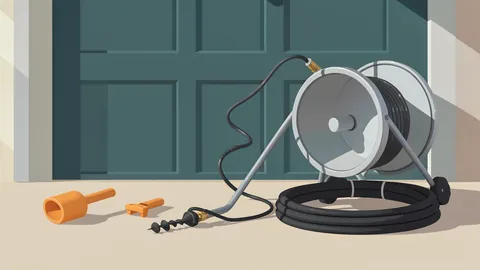
- A tool sized to the line. The same manual describes running the smallest available tool through the blockage first so backed-up water can start flowing, then using larger tools, with the largest no bigger than the pipe's inside diameter minus one inch. The drain cleaning methods guide compares hand augers, drum and sectional machines and jetters.
- Flushing and several passes. Once the drain opens, water is run down the line to carry debris away while the cable is retrieved, and the manual recommends several passes for complete cleaning.
- A video drain inspection when the evidence calls for it. A camera makes sense when the clog returns, the cable brings back roots or pipe fragments, or the stoppage sits farther out than a branch drain should run.
- Findings before any added scope. If the visit uncovers something cleaning won't fix, the options are explained before more work is done.
Who Owns Which Pipe in Metro Atlanta
Every drain inside the house belongs to the property owner, and most drain cleaning stays there. Responsibility gets complicated only when a stoppage turns out to be in the sewer lateral or beyond, because each sewer provider draws its own boundary. Gwinnett County's Department of Water Resources checks the flow in its main and looks into the right-of-way cleanout before deciding whose side a backup is on (Gwinnett DWR procedure). The Henry County Water Authority tells customers with clogged toilets or sewage coming out of drains to have a plumber clean the private pipes on their property (HCWA FAQ). Fulton County keeps the owner responsible for a clogged lateral even where the blockage lies under a public road (Fulton County flyer). Our drain cleaning pages for individual cities add local details, and the metro Atlanta sewer directory names the sewer provider for every community within 45 miles of Atlanta.
Emergency Situations
Sewage coming up through a floor drain or tub, a toilet that overflows while other fixtures run, or drains failing all over the house is no longer a single clogged drain. Stop using water, keep children and pets away from the area and call (404) 482-2527. Describe which fixtures are affected and whether water or sewage is still rising so the request can be prioritized correctly; the sewer backup guide covers the first steps.
Estimates and Site Conditions
An exact price can't be set responsibly from a web page. The written scope should state the work proposed, the access point, important exclusions and how unexpected conditions will be handled. For drain cleaning, cost mostly follows where the blockage sits, how the line is reached (a trap, a cleanout or a pulled toilet), what the clog is made of, how many passes the line needs, whether a camera look is added and whether chemicals already in the drain call for extra precautions. What drives drain cleaning costs explains how to compare quotes on equal terms.
Request Drain Cleaning
For drain cleaning in metro Atlanta and the surrounding Georgia service areas, call (404) 482-2527 or send a request through the contact page.
Frequently Asked Questions
How do I know whether I need professional drain cleaning?
Start with the pattern. One slow fixture often responds to a plunger or a hand auger, while several slow fixtures, water rising at the lowest drain, or a clog that returns within weeks point past the trap. The right service depends on which fixtures are affected, whether the problem is isolated, what access exists and what can be confirmed on site.
Can you give an exact price before seeing the property?
Not responsibly. The cost depends on where the blockage sits, which access point can be used, the size and condition of the pipe and what the clog turns out to be. A written scope should name the work included, the access assumed and the exclusions before any work expands.
Do you provide emergency drain cleaning?
Emergency requests can be prioritized when drains have stopped completely, a fixture is overflowing or sewage is coming up. Call (404) 482-2527 and describe what is happening, where it is happening and whether water or sewage is still rising.
Will a clogged drain ever lead to excavation or replacement?
Only when the evidence says so. Cleaning, camera inspection, targeted repair, excavation and replacement are separate scopes, and digging comes into the conversation only after a camera shows a broken or collapsed section that no cleaning tool can fix.
Should I pour a chemical drain opener before the visit?
It is better not to. Product left standing in a blocked drain becomes a splash and burn hazard for whoever opens the line. If one has already been used, tell the technician which product it was and keep the bottle handy.
Is drain snaking the same thing as drain cleaning?
Snaking, also called augering, is one drain cleaning method: a rotating cable bores through the stoppage. Some lines are better served by a water jetter, and a recurring clog may call for a video drain inspection first. The method should fit the pipe and the clog.
Learn More Before You Call
All articles by service: Sewer & Drain Advice Hub.
Drain Cleaning Service Areas
These city pages add the local rules that apply there — who owns which part of the line, how the utility handles a reported problem, and who issues permits. Every city we serve is listed under service areas.
- Acworth
- Alpharetta
- Atlanta
- Austell
- Canton
- Cartersville
- College Park
- Cumming
- Dallas
- Decatur
- Doraville
- Douglasville
- Duluth
- Dunwoody
- Ellenwood
- Emerson
- Hiram
- Holly Springs
- Johns Creek
- Jonesboro
- Kennesaw
- Lake City
- Lawrenceville
- Lilburn
- Lithia Springs
- Lithonia
- Mableton
- Marietta
- McDonough
- Milton
- Norcross
- Powder Springs
- Rex
- Riverdale
- Roswell
- Sandy Springs
- Smyrna
- Stone Mountain
- Suwanee
- Tucker
- Union City
- Vinings
- Woodstock
Need drain cleaning?
Call and describe what is happening, where, and since when. The service is selected from the condition found.
Georgia Sewer — Drain & Sewer Specialists · Operated by Alpha Plumbing and Sewer, LLC