Water Line Replacement in Metro Atlanta, GA
Water line replacement swaps out the buried service line between the meter and the house when patching it no longer makes sense. That usually means repeated leaks, an aging or failure-prone pipe material, or a line flagged in the water utility's lead inventory.
Georgia Sewer — Drain & Sewer Specialists · Operated by Alpha Plumbing and Sewer, LLC
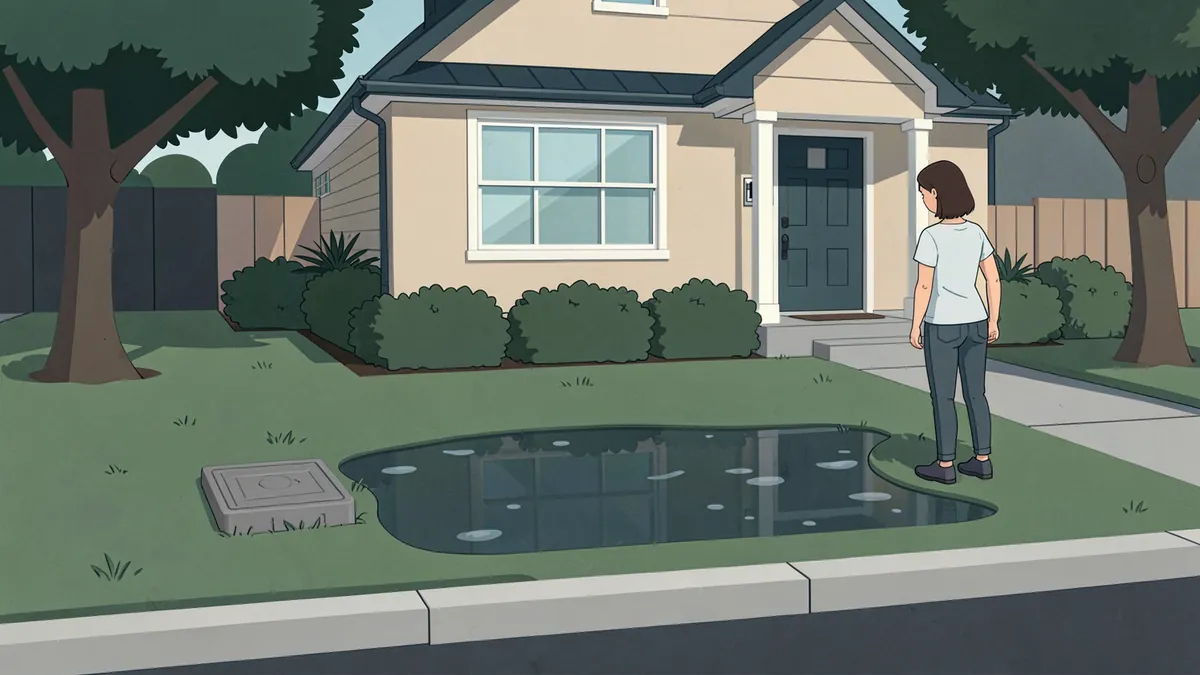
Georgia Sewer plans a replacement around the route, the material, the access and the rules the new line has to meet, and confirms with the water utility what it handles on its side of the meter before the work is scheduled.
Common Problems & Warning Signs
These are the situations that usually move the conversation from repair to replacement.
- The second or third leak on the same line. One leak can be bad luck; a pattern says the pipe itself is failing, and every patch adds joints to a line that was already weak.
- Polybutylene pipe. InterNACHI says this plastic was made from 1978 to mid-1995, that certain disinfectants can make it flake apart at any point in the system, and that its deterioration happens from within and can't be seen without dismantling the pipe (InterNACHI). No regulation requires replacing it, but a polybutylene line that has started leaking is a strong candidate.
- Galvanized steel that may sit downstream of lead. Atlanta's Department of Watershed Management explains that galvanized steel that may have been downstream of a lead pipe can trap lead particles and release them into the water over time, so its inventory marks such lines for replacement (Atlanta DWM).
- A lead or unknown listing in the utility's inventory. EPA requires water systems to inventory service line materials and to notify people served by a lead line, a galvanized line that may be contaminated by lead, or a line of unknown material (EPA). Cobb County Water System notes that its inventory labels the material on both the system-owned and the customer-owned side of each line (Cobb County).
- A line that no longer fits the house. The International Plumbing Code sets 3/4 inch as the minimum size for a water service pipe (Section 603.1), and an older line can be smaller or shallower than today's rules allow.
- Other work about to open the yard. When a new driveway, an addition or a sewer replacement will disturb the route anyway, replacing an aging water line at the same time can avoid digging the same ground twice.
The north metro water line guide shows how to identify the pipe where it enters the house and how to look up a utility's inventory.
Replacement fits a service line that is failing along its length or is made of the wrong material. A single leak in sound copper or plastic pipe is usually a water line repair, and if the utility lists your line as lead, EPA's advice is to contact the utility and take part in its service line replacement program.
A Diagnosis-First Approach
Replacement is a larger scope than repair, and we recommend it only when the line's condition or material supports it. The objective is replacing the affected service line based on routing, material, access and site conditions. Depth, earlier repairs, the location of the meter and the shutoff, and anything built over the old route all shape the plan.
What the Service Visit Can Include
- Confirming the condition. Leak history, a look at the pipe where it enters the house and the utility's inventory listing for the property.
- Planning the route. The new line can follow the old one or take a better path. The code calls for 5 feet of undisturbed or compacted earth between a water service and a building sewer unless one of its exceptions applies, and bars water service pipe in, under or above a septic tank or drain field (International Plumbing Code, Sections 603.2 and 603.2.1).
- Permits and locates. The local building department's permit, a Georgia 811 ticket before any machine digging (Georgia 811) and a private locate for the owner's buried lines; the excavation guide covers the digging rules.
- Installing the new line. At least 3/4 inch and at least 12 inches below grade (Section 305.4), with full-open valves on the service pipe near the curb and at the entrance to the house (Section 606.1). Where the old metal pipe grounds the electrical system, plastic can't replace it until another approved means of grounding is in place (Section 601.3). These sections read the same in the 2018 and 2024 editions of the code.
- Pressure. A pressure-reducing valve is required where static pressure inside the building exceeds 80 psi (Section 604.8), and Forsyth County notes that older homes may not have one and that keeping it working is the homeowner's job (Forsyth County).
- Testing, disinfection and restoration. The new line is pressure-tested, then flushed and disinfected before use under Georgia's amendment to the plumbing code (Georgia DCA), and the trench is backfilled and restored as the scope describes.
Who Owns Which Pipe in Metro Atlanta
The water utility's part usually ends at the meter, which decides who pays for which piece of a replacement. Fulton County's service lateral flyer puts a leak or break between the home and the meter on the owner and one between the meter and the main on the county (Fulton County flyer). Cobb County Water System owns and maintains the pipe from the main to its connection at the meter, and the owner is responsible for the pipe from the meter to the building, including the part running underground within the property (Cobb County). Under EPA's newer lead rule, water systems must replace lead service lines and certain galvanized lines under their control, most within 10 years (EPA), so ask the utility what it will cover before replacing a listed line. Your water bill names the utility that serves you; our city pages for water line replacement add local details, and the metro Atlanta directory lists each community's sewer provider and permit office.
Emergency Situations
A line that is due for replacement can fail suddenly: water gushing in the yard, pressure collapsing, or a basement taking on water where the line enters. Close the main shutoff at the house if it can be reached safely, call (404) 482-2527 and describe where the water is coming from and whether it is still flowing, so the request can be prioritized correctly. A leak in the street or the meter box belongs to the water utility.
Estimates and Site Conditions
Replacement pricing can't responsibly be set from a generic web page. The proposal should identify the route and length of the new line, the expected access, the exclusions and how unexpected conditions will be handled. Cost drivers include the length and depth of the run, what lies along the route (driveways, walkways, trees and other utilities), the pipe material and size, valves and any pressure-reducing valve, permit and inspection requirements, coordination with the water utility at the meter, grounding work if the old metal pipe served as an electrical ground, and restoration. How to hire a drain cleaning company in Georgia covers permits and written contracts, and the service line plans guide explains what water line coverage mailers do and don't include.
Request Water Line Replacement
For water line replacement in metro Atlanta and the surrounding Georgia service areas, call (404) 482-2527 or reach us through the contact page.
Frequently Asked Questions
How do I know whether my water line should be replaced instead of repaired?
Replacement is worth discussing after a second or third leak on the same line, when the pipe is polybutylene or old galvanized steel, when the water utility's inventory lists it as lead or galvanized requiring replacement, or when the line is too small or too shallow for current rules.
Can you give an exact price before seeing the property?
No. The cost depends on the length and route of the line, its depth, what lies over it, the material chosen, valves and any pressure-reducing valve, permit and inspection requirements, coordination with the water utility and the restoration. Those details belong in the written scope.
How do I find out whether my service line is lead?
Start with your water utility. Utilities have had to inventory service line materials, and many publish a lookup or map; an unknown listing means there is no record yet, not that lead was found. If the line is listed as lead, ask about the utility's replacement program before paying for work.
Does a new water line need a permit?
In most places, yes. Georgia leaves permit procedures to cities and counties, so the building department where the property sits decides the permit and inspection steps.
What if the line breaks again before it is replaced?
Close the main shutoff where the line enters the house and call (404) 482-2527. A temporary repair may keep water on until the planned replacement.
Will replacing the water line tear up the whole yard?
That depends on the route, the depth and what lies along the way. The plan should show where the trench runs, what will be disturbed and what restoration is included, so there are no surprises.
Learn More Before You Call



All articles by service: Sewer & Drain Advice Hub.
Water Line Replacement Service Areas
These city pages add the local rules that apply there — who owns which part of the line, how the utility handles a reported problem, and who issues permits. Every city we serve is listed under service areas.
- Acworth
- Alpharetta
- Atlanta
- Austell
- Canton
- Cartersville
- College Park
- Cumming
- Dallas
- Decatur
- Doraville
- Douglasville
- Duluth
- Dunwoody
- Ellenwood
- Emerson
- Hiram
- Holly Springs
- Johns Creek
- Jonesboro
- Kennesaw
- Lake City
- Lawrenceville
- Lilburn
- Lithia Springs
- Lithonia
- Mableton
- Marietta
- McDonough
- Milton
- Norcross
- Powder Springs
- Rex
- Riverdale
- Roswell
- Sandy Springs
- Smyrna
- Stone Mountain
- Suwanee
- Tucker
- Union City
- Vinings
- Woodstock
Need water line replacement?
Call and describe what is happening, where, and since when. The service is selected from the condition found.
Georgia Sewer — Drain & Sewer Specialists · Operated by Alpha Plumbing and Sewer, LLC