Water Line Repair in Metro Atlanta, GA
Water line repair fixes a leak or break in the buried service line that carries water from the meter to the house. Because the pipe is underground and under pressure, a leak can run for weeks before anyone sees a wet spot, and the first sign is often a meter that won't stop moving or a bill that makes no sense.
Georgia Sewer — Drain & Sewer Specialists · Operated by Alpha Plumbing and Sewer, LLC
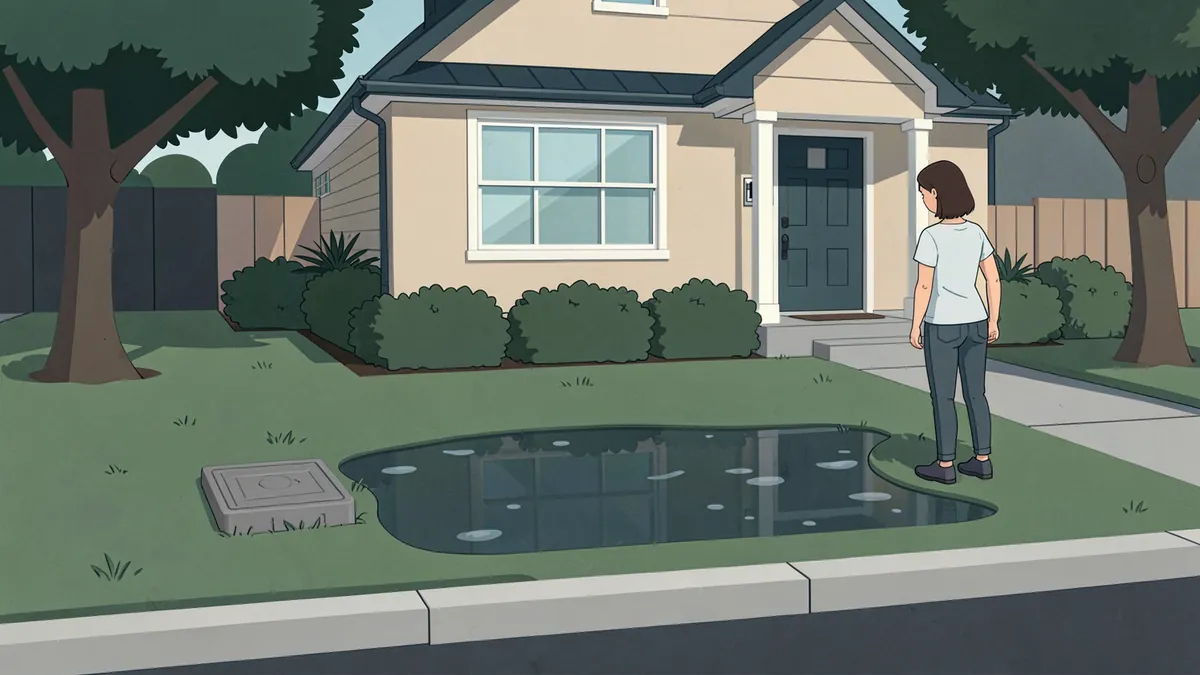
Georgia Sewer approaches water line repair the same way as sewer work: confirm that the leak is on the service line, find where it is, and only then decide whether a targeted repair is the right fix or the line has problems that call for replacement.
Common Problems & Warning Signs
Underground water leaks are quiet. These are the signs that usually give them away.
- A meter that moves with everything turned off. Gwinnett County's leak test calls for stopping all water use for two hours and reading the meter before and after; if the number changed, or the small leak-detection wheel moved, there is probably a leak (Gwinnett DWR). EPA's WaterSense program describes the same two-hour check (EPA).
- Wet or soggy ground along the line's route. The same Gwinnett page suggests walking the yard to look for soggy areas that can indicate a leak in underground pipes. A strip that stays green or soft in dry weather is a common clue.
- A sudden jump in the water bill. Cumming Utilities, whose contractors use listening devices and leak correlation equipment to find leaks in its system, says most leaks occur in privately owned service lines between the meter and the home or business (Cumming Utilities).
- A drop in water pressure. Gwinnett County says low pressure most commonly comes from the home's pressure-reducing valve: good pressure at the front spigot but weak pressure inside points to the valve, and low pressure at the spigot too means checking the meter (Gwinnett DWR).
- Water in the meter box or the street. That is usually the utility's side. Gwinnett asks residents to report leaks in the meter box or street to its dispatch center, while a leak between the home and the meter needs a plumber (Gwinnett DWR).
A simple test narrows things down: if the meter keeps moving after the house's main shutoff is closed, the water is escaping somewhere between the meter and that valve. Material matters too. InterNACHI notes that polybutylene, a plastic made from 1978 to mid-1995, can flake apart anywhere in the system where certain disinfectants react with it (InterNACHI), so one leak in that pipe is often a sign of more to come. The north metro water line guide explains how to identify pipe materials.
Water line repair fits a single confirmed leak in otherwise sound pipe. Repeated leaks, failing polybutylene or galvanized pipe, or a line your utility lists as lead point toward water line replacement, and a leak in the meter box or the street is the utility's to fix.
A Diagnosis-First Approach
A water line repair is a targeted scope, kept separate from replacement and from any sewer work in the same yard. The objective is repairing a confirmed damaged section when a targeted repair is appropriate, once the leak's location and the pipe's material and condition are known. Routing, depth, earlier repairs and the state of the pipe exposed at the leak can change the recommendation.
What the Service Visit Can Include
- Confirming the leak. A meter test, a check of the main shutoff and a look at where water is surfacing.
- Locating the line. Georgia 811's members mark only public lines, which usually end at the meter; the water line between the meter and the house is a private line that needs a private locator (Georgia 811).
- Finding the leak. Pressurized pipe isn't camera territory the way a sewer is; Gwinnett County notes that its water mains, unlike sewers, can't be inspected by CCTV because there is no good way to get a camera into them (Gwinnett DWR). Leak location relies on the line's route, surface clues and, where needed, acoustic listening along the pipe.
- Shutting off and exposing the pipe. The supply is shut off, a Georgia 811 ticket covers any machine digging (Georgia 811), and the leaking section is exposed.
- The repair. The damaged section is replaced with approved material. The International Plumbing Code keeps exterior water piping at least 12 inches below grade (Section 305.4) and calls for 5 feet of separation from a building sewer unless one of its exceptions applies (Section 603.2).
- Testing, flushing and backfill. Georgia's amendment to the plumbing code requires new or repaired potable water systems to be flushed and disinfected before use (Georgia DCA), and the repair is checked for leaks under pressure before the trench is closed.
Who Owns Which Pipe in Metro Atlanta
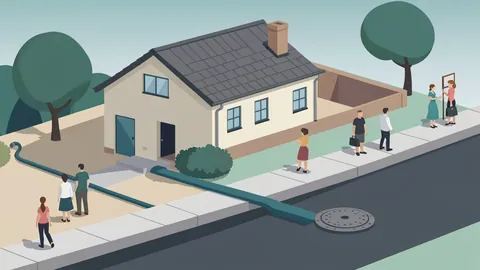
For water lines the dividing point is usually the meter, and the water provider may be a different agency from the sewer provider. Gwinnett County's Department of Water Resources maintains the main, the small pipe connecting the meter to it and the meter itself, while everything on the customer's side, including leaks between the meter and the home, is the owner's to maintain, repair or replace (Gwinnett DWR). Atlanta's Department of Watershed Management covers the main to the meter, and the owner covers the meter to the building (Atlanta DWM). The Cherokee County Water and Sewerage Authority says its service boundary ends just after the meter, and it offers leak adjustments once a plumber's or other repair receipt is presented (CCWSA). The sewer lateral follows different rules, covered in who is responsible for the sewer line. Your water bill names your water utility, our water line repair pages for individual cities add local details, and the metro Atlanta directory lists the sewer provider and plumbing-permit office for every community within 45 miles of Atlanta.
Emergency Situations
A water service line that is gushing, flooding the yard or a basement, or has left the house without water needs attention before more damage is done. Close the main shutoff where the line enters the house if you can reach it safely, then call (404) 482-2527 and describe where the water is coming out and whether it is still flowing, so the request can be prioritized correctly. Water bubbling up in the street or the meter box goes to the water utility instead.
Estimates and Site Conditions
Exact pricing can't responsibly be judged from a generic web page. The written scope should identify the repair, the expected access, important exclusions and how unexpected conditions will be handled. Water line repair costs follow where the leak is and how deep the pipe runs, the pipe material and size, what sits above the leak (lawn, driveway, landscaping or a sidewalk), whether the line must be located first, permit requirements and the restoration included. Keep the invoice, since some utilities credit part of a leak-inflated bill once proof of repair is provided. Mailers selling water line coverage are discussed in the service line plans guide, and digging rules are covered in the excavation guide.
Request Water Line Repair
For water line repair in metro Atlanta and nearby Georgia communities, call (404) 482-2527 or send a request through the contact page.
Frequently Asked Questions
How do I know whether I need water line repair?
The common signs are a water meter that keeps moving when nothing in the house is running, a wet or soggy strip in the yard during dry weather, a bill far above normal, or a sudden drop in pressure. A meter test and a check of where the water is showing up tell whether the leak is likely on the buried service line.
Can you give an exact price before seeing the property?
No. It depends on where the leak is, how deep the line runs, the pipe material, what sits over the leak, whether the line has to be located first, permit requirements and the restoration involved. The proposal should identify the included work and material exclusions before work expands.
Do you provide emergency water line repair?
Emergency requests can be prioritized when a service line is gushing, flooding the yard or a basement, or has left the house without water. Call (404) 482-2527, and if you can reach it safely, close the main shutoff where the line enters the house first.
Is the leak my responsibility or the water utility's?
For the large utilities around Atlanta, the boundary is typically the meter: the utility handles the main and the connection up to the meter, and the owner handles the pipe from the meter to the house. Water in the meter box or the street belongs to the utility, so report it there.
Should my water line be repaired or replaced?
One leak in otherwise sound pipe is usually a repair. Repeated leaks, polybutylene or corroded galvanized pipe, or a line your utility lists as lead point toward replacement. The recommendation should follow what the exposed pipe and its history actually show.
Why is my water pressure suddenly low?
Check the outdoor spigot nearest the meter. If pressure is good there but weak inside, a failing pressure-reducing valve is a common cause; if it is low everywhere, the problem may be the service line, the meter or the utility's side, and a leak test is a sensible next step.
Learn More Before You Call

All articles by service: Sewer & Drain Advice Hub.
Water Line Repair Service Areas
These city pages add the local rules that apply there — who owns which part of the line, how the utility handles a reported problem, and who issues permits. Every city we serve is listed under service areas.
- Acworth
- Alpharetta
- Atlanta
- Austell
- Canton
- Cartersville
- College Park
- Cumming
- Dallas
- Decatur
- Doraville
- Douglasville
- Duluth
- Dunwoody
- Ellenwood
- Emerson
- Hiram
- Holly Springs
- Johns Creek
- Jonesboro
- Kennesaw
- Lake City
- Lawrenceville
- Lilburn
- Lithia Springs
- Lithonia
- Mableton
- Marietta
- McDonough
- Milton
- Norcross
- Powder Springs
- Rex
- Riverdale
- Roswell
- Sandy Springs
- Smyrna
- Stone Mountain
- Suwanee
- Tucker
- Union City
- Vinings
- Woodstock
Need water line repair?
Call and describe what is happening, where, and since when. The service is selected from the condition found.
Georgia Sewer — Drain & Sewer Specialists · Operated by Alpha Plumbing and Sewer, LLC